Best Pokies in Adelaide 2026: Venues, RTP and Online Options
 Available in AU
Adelaide Pokies Payout Percentages Explained
RTP gets thrown around as if it were a promise. It isn’t. It’s a theoretical average measured over a very long run of spins, and it tells you nothing about what happens in the twenty minutes you’ll actually play. Still, it’s the only number worth checking before anything else — house edge starts here.
Where things get murky is comparison. Some Adelaide pokies carry an RTP that’s simply average against most modern video pokies — not exceptional, not poor, just middling. Machine placement, denomination and venue all shift that number, and none of it is disclosed on the cabinet itself.
There’s also a jurisdictional wrinkle worth naming plainly: pokies regulation in Australia isn’t one national rulebook. It changes by state and territory, which means the machine on a Sydney floor may sit under different technical standards than the one in an Adelaide venue.
That gap is exactly what the next section works through, title by title.
Top Land‑Based Pokies to Play in Adelaide in 2026
If you’re chasing pokies action from Adelaide, it helps to know which online casinos actually back up their reels with solid licensing and worthwhile bonuses before you sign up.
License: Curacao · Bonus: up to A$2,000 Holds a Curacao license and offers a bonus of up to A$2,000, giving pokies fans a straightforward welcome offer to get started.
Bonus: 100% up to A$750 + 200 free spins, 35x wagering · Payout speed: crypto 30-120 minutes, fiat 24-72 hours · Min. deposit: A$30 Offers a 100% bonus up to A$750 plus 200 free spins with 35x wagering, and stands out for fast payouts—crypto withdrawals in 30-120 minutes, fiat in 24-72 hours—with a low A$30 minimum deposit.
License: Curacao eGaming (Roby Games Ltd) · Bonus: 100% up to A$750 + 200 free spins Licensed under Curacao eGaming via Roby Games Ltd, and welcomes players with a 100% bonus up to A$750 plus 200 free spins.
License: Curacao Gaming Control Board · Bonus: up to A$5,000 + 400 free spins Operates under a Curacao Gaming Control Board license and offers a generous bonus of up to A$5,000 plus 400 free spins for new players.
License: Curacao Gaming Authority (Jumpman Gaming Ltd) · Bonus: up to A$6,600 + up to 250 free spins across 4 deposits Licensed by the Curacao Gaming Authority through Jumpman Gaming Ltd, with a substantial welcome package of up to A$6,600 plus up to 250 free spins spread across four deposits.
License: Curacao eGaming OGL/2023/174/0082 (Dama N.V.) · Bonus: up to A$10,000 + 500 free spins across 4 deposits · Min. deposit: A$15 Holds a Curacao eGaming license under Dama N.V. and offers one of the larger bonuses on this list—up to A$10,000 plus 500 free spins across four deposits—with a low A$15 minimum deposit.
License: Curacao, operated by Dama N.V. · Bonus: 325% up to 5.25 BTC + 250 free spins across 4 deposits Operated by Dama N.V. under a Curacao license, this crypto-friendly casino offers a 325% bonus up to 5.25 BTC plus 250 free spins spread over four deposits.
License: Curacao Gaming Control Board OGL/2023/176/0095 (Hollycorn N.V.) · Bonus: up to A$11,000 + 300 free spins (code NEO100) Licensed by the Curacao Gaming Control Board via Hollycorn N.V., offering up to A$11,000 plus 300 free spins using a dedicated bonus code.
License: Curacao Gaming Control Board OGL/2023/176/0095 (Hollycorn N.V.) · Bonus: up to A$5,000 + 300 free spins across 4 deposits Also under Hollycorn N.V.’s Curacao Gaming Control Board license, providing a welcome bonus of up to A$5,000 plus 300 free spins across four deposits.
License: Curacao (operating since 2017) · Bonus: 250% up to A$2,000 + 50 free spins on the first of six deposits · Min. deposit: A$20 A Curacao-licensed casino operating since 2017, offering a 250% bonus up to A$2,000 plus 50 free spins on the first of six deposits, with a A$20 minimum deposit.
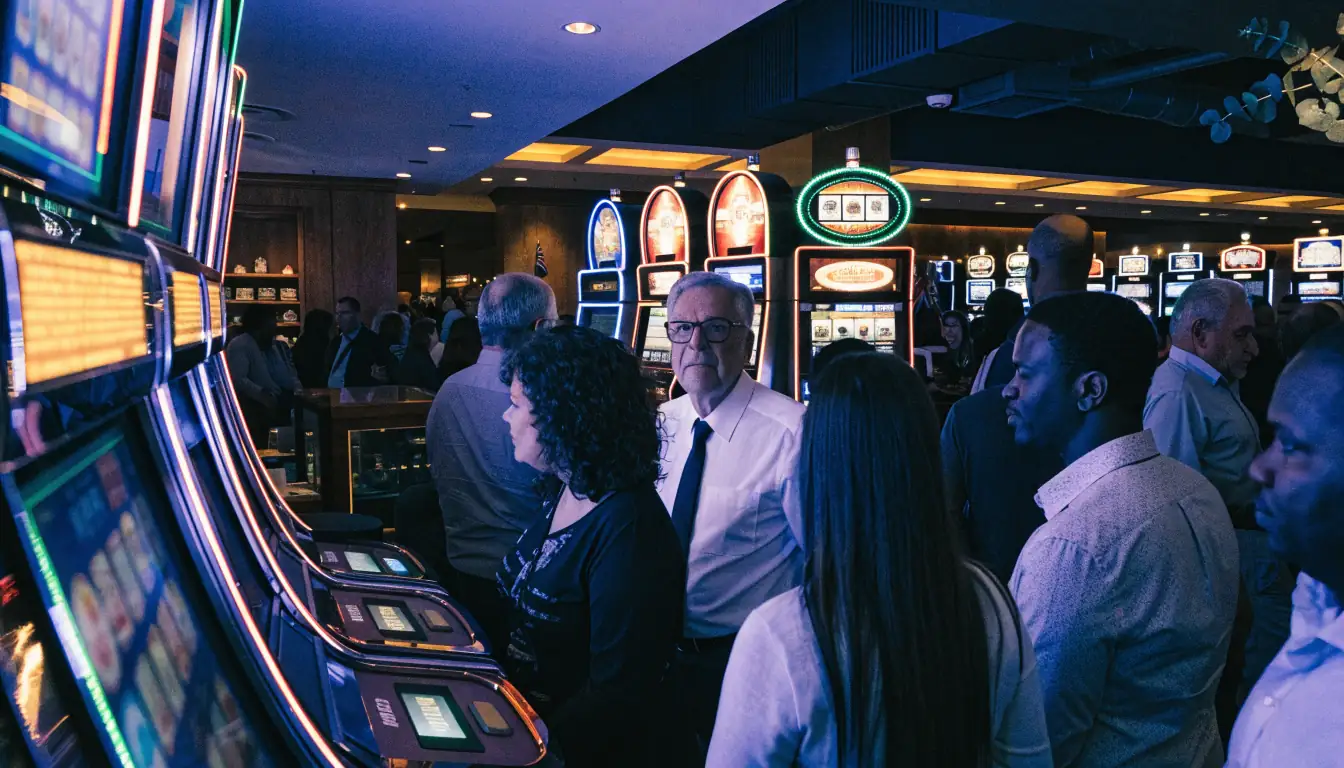
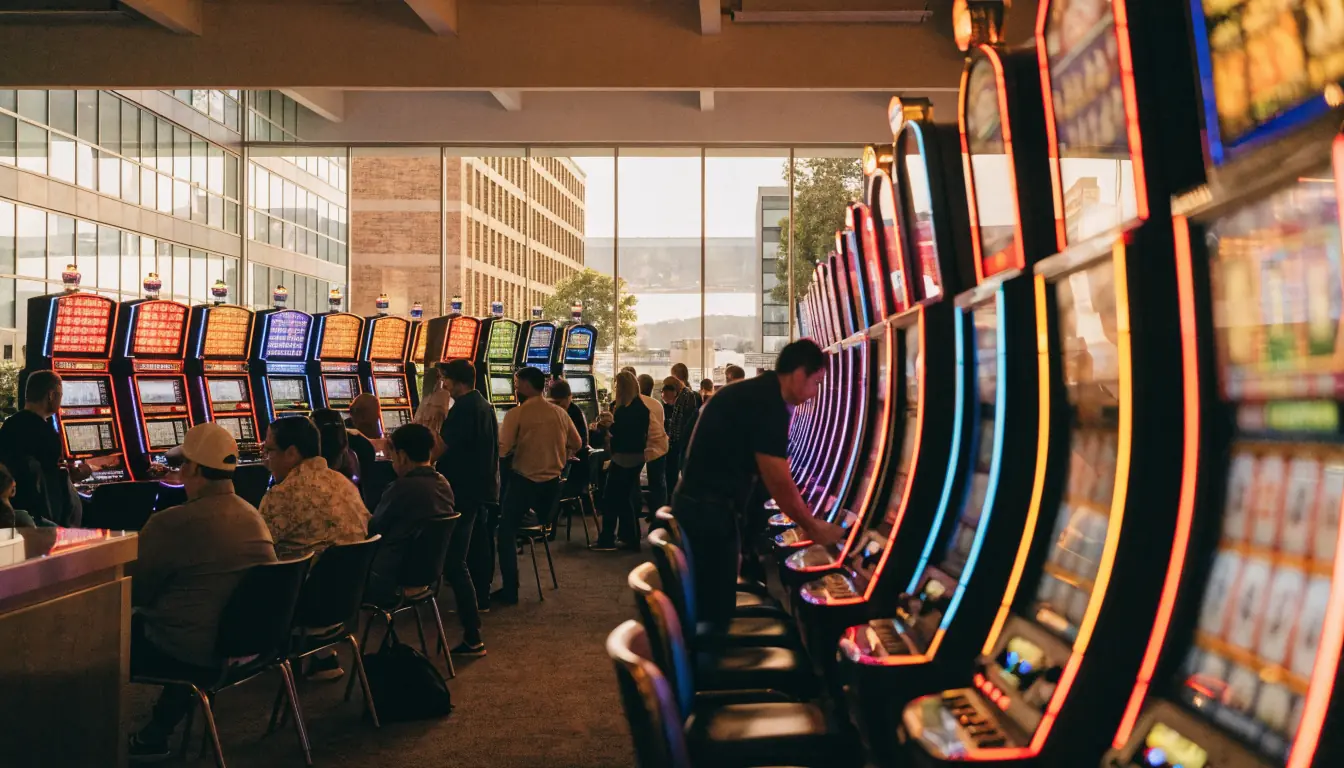
Walk into any venue in the city and you’ll see the same pattern repeated: a wall of screens, a handful of titles everyone’s clustered around, and a lot of machines sitting untouched in the back rows. That’s not random. Floor managers place games by what keeps a chair occupied, not by what’s actually worth your time. Knowing the difference between the two is most of the job here.
What follows is a list built around mechanics, not marketing copy. Volatility, feature triggers, how often a machine actually pays something back during a session — these are the things that decide whether an hour at a machine feels like entertainment or like watching your balance evaporate in silence. I’ve grouped them loosely by how they behave rather than by theme, because two games with cartoon animals on the reels can play completely differently underneath.
How to read a machine before you sit down
Before the list, a quick note on method. Every pokie has a "temperament" — how frequently it releases a win versus how large that win tends to be when it lands. Venues rarely print this anywhere near the cabinet, because a nervous player who leaves after ten spins is worse for the floor than one who stays through a dry patch expecting the next spin to turn it around.
The rough split:
- Low volatility — frequent, small returns. Balance moves in small steps, rarely spikes.
- Medium volatility — a mix, feels “fair” over a session.
- High volatility — long dry stretches, then a disproportionate hit. According to one industry review of high-volatility titles, wins in the base game can be expected roughly every 2–5 spins on the more generous end of that category — which still means plenty of nothing in between.
None of this is posted on the machine. You learn it by watching the reels or by reading up before you play. I’d rather you read up.
1. Cashapillar
Cashapillar has been on Adelaide floors for years, and it looks it. According to one industry review, the game is relatively old-school in terms of its graphic effects — flat colours, simple animations, none of the cinematic flourishes you get on newer cabinets. That’s not a knock. Older engines like this one tend to run lean, with fewer distractions between spin and outcome, which some players actually prefer once they’ve had enough of animated intros eating into their session.
The mechanic worth knowing: it runs on a high number of paylines relative to its era, spreading small wins across many lines rather than concentrating value in one or two. If you like watching a lot of lines light up even when the total return is modest, this one scratches that itch. It’s not the game to chase a life-changing result on. It’s the game you play when you want steady, unspectacular activity without much emotional whiplash.
Where you’ll find it: most multi-venue floors that have kept a legacy cabinet section, usually a row of older titles.
High‑volatility machines can produce long dry spells and larger swings; only play them if you have a sufficient bankroll and are comfortable with extended periods without wins.
2. Blazing Wilds Megaways
Megaways mechanics changed how volatility gets delivered on the floor, and Blazing Wilds Megaways is one of the cleaner examples of it in Adelaide venues right now. Instead of a fixed grid, the reels shift the number of symbols each spin, which changes the number of ways to win on every single pull. The visual effect is that no two spins look structurally alike — sometimes you’re looking at a narrow, unpromising board, other times it stacks up into something genuinely wide.
This is a higher-volatility game by design. It doesn’t drip-feed you. You’ll sit through cold stretches and then get a spin that reorganises the whole board through cascading reels, where winning symbols clear and new ones drop in to chain further wins off a single spin. That chaining is the actual engine behind its bigger results — not the base spin, but what happens after a base spin catches fire.
Worth knowing before you commit a session to it: Megaways titles reward patience more than most cabinet games on the floor. If you’re working with a tight, short session, this isn’t the best fit. If you’ve got time and you’re comfortable with a game that gives you long quiet periods, it’s one of the more mechanically interesting options currently on offer.

3. Book of Panda Megaways
A different flavour of Megaways, and worth separating from Blazing Wilds because the feel is genuinely different despite sharing the underlying reel mechanic. Book of Panda Megaways leans into the expanding-symbol style popularised by "book" games — a special symbol that, once it appears enough times, triggers a free spins round with an added multiplier or expanding feature layered on top.
The base game here is calmer than you’d expect from a Megaways title. It’s the free spins round where the game actually shows its volatility — that’s where the wide swings live, not in the ordinary spins leading up to it. This matters for how you should plan a session: expect a long lead-in with modest activity, punctuated by a feature round that either does very little or does quite a lot. There isn’t much middle ground once that round triggers.
If you’ve played traditional book-style games before, the format will feel familiar. The Megaways engine underneath is what separates it from its older cousins — more ways to win per spin than a standard fixed-line book game, which changes the maths even if the surface presentation looks similar.
4. Wolf Energy Megaways
The third Megaways title worth naming here, and the one that leans hardest into the "wild" side of feature mechanics. Wolf Energy Megaways uses stacked wild symbols that can occupy large portions of the reel when they land, which — combined with the shifting Megaways grid — produces some of the widest swings in outcome you’ll see on a standard floor cabinet.
High volatility risk
Wolf Energy Megaways can deliver dramatic single‑spin wins, but it also carries a high risk of substantial losses in a short session.
This is not a machine for a player who wants predictability. It’s built for someone who wants the possibility of a dramatic single spin and is fine with a lot of ordinary, forgettable ones on the way there. The stacked wild mechanic means the difference between a dead spin and an exciting one often comes down to a single symbol landing in the right position — there’s very little gradual build-up the way there is in lower-volatility games.
Venues tend to place these Megaways cabinets near each other, which makes sense from a floor-planning view but means it’s easy to bounce between three similar-feeling machines without realising how differently they’re actually built underneath. Worth reading the feature descriptions on-screen before your first spin rather than assuming.
5. Rip Town
A tonal outlier on most floors. Rip Town is known for its macabre slot design — dark, unsettling visuals that stand apart from the fruit-and-fantasy themes dominating most of the room. It’s not trying to be pleasant. That’s clearly intentional, and it tends to attract players who are tired of cheerful mascots and bright colour palettes.
Underneath the theme, it behaves closer to a standard mid-volatility cabinet than its visuals suggest. The design does a lot of the heavy lifting in making the game feel distinctive; the actual paytable structure isn’t radically different from other games in its tier. Where it earns its place on this list is atmosphere rather than mechanics — if you’ve been playing the same handful of bright, cheerful titles for a while, sitting down at something that looks genuinely different changes the feel of a session even when the underlying maths doesn’t.

Worth trying once for the novelty. Whether it earns repeat visits depends entirely on whether the aesthetic works for you, since the mechanical case for it isn’t particularly strong compared to newer releases on the same floor.
6. Ce Bandit
Described in one industry review as a weird title, and that’s a fair summary. Ce Bandit doesn’t sit neatly in a genre — it borrows visual cues from a few different traditions without fully committing to any of them, which gives it an off-kilter feel compared to the more polished, focus-grouped titles around it.
That oddness is part of the appeal for some players and a dealbreaker for others. It’s the kind of machine you either find charming in its inconsistency or you write off after two spins because it doesn’t match the slicker experience you get elsewhere on the floor. I’d put it in the "worth a curious ten minutes" category rather than a session anchor — not because it plays badly, but because there are titles nearby with more consistent design that reward a longer sit better.
If nothing else, it’s proof that not every game on the floor is chasing the same aesthetic playbook, and there’s some value in that variety even when a specific title doesn’t land for you personally.
Ce Bandit offers an unconventional visual mix that appeals to curiosity‑driven players, but its underlying mechanics are not notably stronger than nearby titles.
7. Non-fixed payline titles — the "party pays" mechanic
Rather than name a single game here, this is worth covering as a category, because it shows up across several cabinets on Adelaide floors under different titles and skins. Some pokies use what’s sometimes called a party pays structure, or similar mechanics, instead of the traditional fixed-payline model. According to one industry breakdown, these games typically require three, four, or more matching symbols landing anywhere on the reels — not along a specific line — to register a win.
This changes how a session feels in a subtle but real way. Fixed-payline games train you to watch specific rows; party pays and similar "anywhere" mechanics reward scanning the whole board, and near-misses feel different because a symbol landing in the "wrong" position on a fixed-line game might have still counted under this structure. It’s worth checking the paytable screen on any unfamiliar cabinet specifically for this — the same visual symbol layout can pay completely differently depending on which of these two systems the game runs on.
Practically: if you’ve been playing fixed-line games for years and switch to one of these without checking, your read on "that should have paid" instincts will be wrong more often than right until you adjust.
8. Bucks of Gods
Worth naming specifically for its pacing. According to one industry review, Bucks of Gods produces base-game wins roughly every three to seven spins — a noticeably more measured rhythm than the higher-volatility Megaways titles covered above, where the gap between wins can stretch further but the payout when it lands tends to be larger relative to stake.
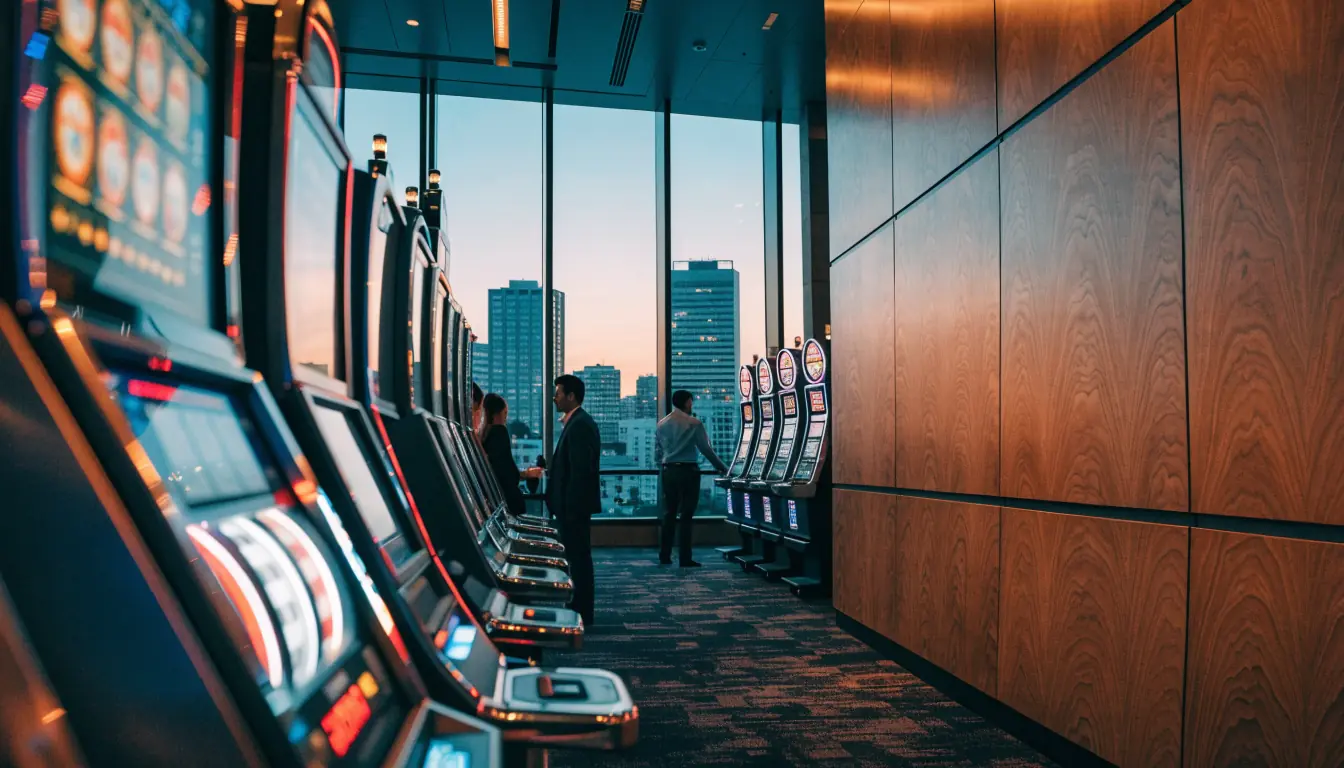
This makes it a reasonable middle-ground choice on a floor that otherwise skews toward extremes — either the slow-burn high-volatility cabinets or the older, flatter low-volatility machines. If you want a session where something happens often enough to hold interest without demanding the patience a full Megaways dry spell requires, this sits in that gap comfortably.
It won’t be the most exciting machine in the room on any given night. It’s the one that’s least likely to leave you sitting through twenty consecutive dead spins wondering if the cabinet’s even working.
Reading feature rounds before you commit a session
A theme running through several of the titles above: the free spins or bonus round is often where a game’s real character shows up, not the base game. This matters practically. Two machines can have nearly identical base-game rhythms and feel completely different once you factor in what the feature round does — an expanding wild feature behaves nothing like a straightforward multiplier round, even if both are technically labelled "bonus feature" on the cabinet.
Most modern cabinets will show you a rules or paytable screen before you commit real credits, usually accessible through an info button on the touchscreen. It’s worth the thirty seconds. The screen won’t tell you the volatility outright — venues and providers rarely spell that out in plain language on the cabinet itself — but it will tell you how the feature triggers and roughly what it does, which lets you infer the rest.
Always read the feature or paytable screen before committing credits; free‑spin rounds often shift a game’s volatility dramatically.
"Free spins" on the screen doesn’t mean the same thing from one title to the next. On a low-volatility game it might mean a modest number of extra spins at the same bet. On a high-volatility Megaways title it might mean a handful of spins with an accumulating multiplier that can swing the whole result. Read before you assume.
Instant-play cabinets versus the older desktop-style machines
A structural note that applies less to which game you pick and more to where you’ll find it. According to one industry source, some games are built for quick, instant-play access on newer touchscreen cabinets, while a number of older titles were originally designed around desktop-style software and feel noticeably clunkier when ported onto a modern touch interface — slower load between spins, less responsive touch zones, menus that clearly weren’t designed with a touchscreen in mind.
Cashapillar is a reasonable example of the latter category given its age. Newer titles, including the Megaways games above, tend to run considerably smoother because they were built for the current generation of cabinets from the start rather than adapted onto them. If a machine feels sluggish or the touch response lags noticeably behind your tap, that’s often less about the venue’s hardware and more about the underlying game simply predating the cabinet it’s sitting in.
A practical way to move through a floor
Given the spread above — from a flat, decades-old title through to three distinct Megaways builds with genuinely different feature behaviour — there’s no single "best" machine on an Adelaide floor. There’s a best machine for the session you actually want to have.
A few honest distinctions worth keeping straight:
| Style | Example from above | What to expect |
|---|---|---|
| Steady, low-drama | Cashapillar | Frequent small activity, flat presentation, older interface |
| Balanced mid-volatility | Bucks of Gods | Regular base-game wins, moderate feature swings |
| High-volatility, feature-driven | Blazing Wilds Megaways, Wolf Energy Megaways | Long quiet stretches, feature round carries the weight |
| Book-style with a slow burn | Book of Panda Megaways | Calm base game, feature round does the heavy lifting |
| Novelty / theme-first | Rip Town, Ce Bandit | Distinct visuals, unremarkable underlying maths |
| Structural variant | Party pays / non-fixed payline titles | Different win logic from what the reels visually suggest |
None of this is a ranking. It’s a map. A short session on a lunch break suits something like Cashapillar or Bucks of Gods far better than it suits a Megaways title that might not do anything interesting for the first several minutes. A longer evening with no particular time pressure is exactly when the higher-volatility cabinets make more sense, because you’ve actually got the runway to sit through the quiet part and reach the feature round that defines the game.
The one habit worth carrying between all of them: check the paytable, check the feature description, and don’t assume a cabinet behaves the way its cousin two seats down does just because they share a visual theme or sit in the same row. The floor is arranged for convenience, not for consistency.
Online Casino Pokies Available 24/7 in Adelaide
Here’s the part nobody puts in the marketing copy: there is no such thing as a licensed online casino for Adelaide players. The Interactive Gambling Act 2001 bans operators from offering online slots, poker, blackjack or roulette to anyone in Australia. Not "regulated differently" — banned outright, at Commonwealth level. What the law does not do is criminalise the player. It targets the operator sitting offshore, not the person opening the account. That distinction is why the whole online pokies ecosystem for Australians runs through sites licensed somewhere else entirely — Malta, Curaçao, the UK — and why nobody local can hand you a domestic licence number to check, because that register doesn’t exist here.
Legal risk
Online pokies are not licensed in Australia; accessing offshore operators may expose you to unregulated environments and potential legal complications.
So when a page tells you to "pick a regulated site," ask regulated by whom. There’s no Australian answer to that question. There’s only an offshore one.
What "24/7" actually means
Land-based venues close, staff go home, machines get serviced. Offshore pokies sites don’t have that constraint — access is described as round-the-clock, which in practice just means the servers don’t sleep. Account setup is built to be fast: by most industry accounts, a new player can be through registration and into a game within seconds of finishing sign-up. No waiting room, no floor staff, no last drinks call.
That speed cuts both ways. It’s convenient. It’s also the entire reason self-exclusion tools matter more here than at a physical venue — there’s no doorman to recognise your face and turn you away. If you’ve set limits on yourself, the platform is the only thing enforcing them, and only if you’ve actually switched the feature on.
Payment methods
Reported options across offshore-facing sites include credit cards and phone-bill billing. Worth saying plainly: this market’s own advertising rules for licensed gambling products explicitly forbid accepting credit cards or digital currency for deposits. Offshore operators sit outside that rule because they sit outside the licensing system altogether. That’s not a loophole to celebrate — it’s a sign of exactly how little consumer protection applies once money leaves the country electronically. Check your account terms before you fund anything, and know that a chargeback dispute with an unlicensed offshore operator is a different, harder conversation than one with a bank-regulated business.

No deposit bonus codes
For 2026, some operators list no deposit bonus codes attached to free spins — a way to test a game library without funding an account first. One operator’s terms describe this kind of offer running alongside a wider promotional calendar. Treat the number of free spins, the games they apply to, and any wagering attached to them as details you read on the operator’s own page, not as something guaranteed by category. "No deposit" describes how the bonus is triggered, not what it’s worth to you.
Payout claims
Some comparisons argue payouts at these sites can run as high as anything paid out on a land-based floor. Maybe. It’s also a claim made by operators about their own numbers, not something independently checked at the table. Read it the way you’d read any other line in a promo — as a starting position, not a settled fact.
None of this changes who’s allowed to play. Anyone under 18 has no business near these sites, full stop, and the identity checks required before a withdrawal exist precisely to catch that before money moves. If self-exclusion is something you’ve used before, offshore platforms aren’t guaranteed to talk to each other or to any local support service — that gap is yours to manage, not theirs.
The convenience is real. The oversight isn’t.
Written by the editors at Casino Security Info.