
Best Casino in Brisbane 2026: What Visitors Should Know
Table of Contents
- Australian Gambling Market: Size and Player Demographics
- Legal and Regulatory Framework for Gambling in Australia
- Casino Hotels in Brisbane: What to Expect
- Nearby Accommodation Options Beyond Casino Hotels
- Parking and Transport Access for Brisbane Casino Visitors
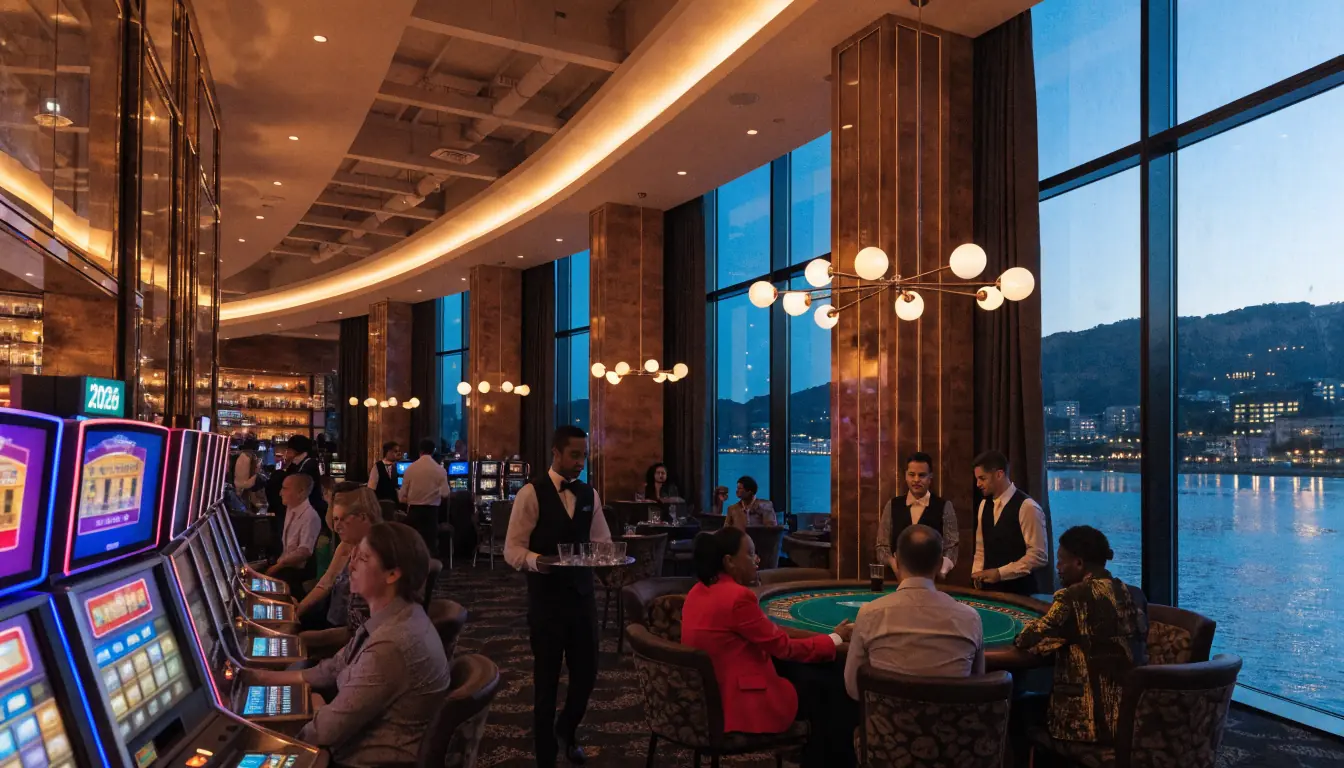
- Poker Rooms and Gaming Areas: Facilities Overview
- Dining Buffets and Breakfast Options at Brisbane Casinos
- A‑La‑Carte Restaurants and Culinary Experiences
- Food Courts and Leisure Pools: Casual Options
- Wellness and Spa Services at Brisbane Casino Complex
- On‑Site Amenities: Bars, Concerts and Other Services
- Opening Hours, Events and Entertainment Schedule
Australian Gambling Market: Size and Player Demographics
Australians placed bets totalling $244.3 billion in 2022–23, and losses from that turnover reached $31.5 billion over the same period. Brisbane’s casino floor sits inside that number, not apart from it.
Legal and Regulatory Framework for Gambling in Australia
Nobody hands you a single rulebook here. I spent a good chunk of early research trying to find "the" Australian gambling act, the way you’d point to a single regulator in a lot of other markets. There isn’t one. Gambling in Australia sits split between the states and territories on one side and the Commonwealth on the other, and each layer covers different ground.
State and territory governments licence and oversee the physical side of the industry — casinos, pokies venues, wagering shops, lotteries. That’s why a Brisbane casino answers to Queensland authorities for its floor, not to Canberra. Each jurisdiction runs its own licensing regime, its own conditions, its own inspectors.
The federal layer is narrower but it’s the one that matters most for anything happening on a screen. The Australian Communications and Media Authority enforces the Interactive Gambling Act 2001, the Commonwealth law aimed at online gambling. ACMA doesn’t licence casino floors or poker rooms — its job is policing what’s offered online to people in Australia, and taking action against services operating outside the rules.
Why this split matters in practice
Two regulators, two different jobs, no overlap where you’d expect it:
- State/territory bodies — licence and audit physical premises, set conditions for venues like the ones covered later in this guide.
- ACMA — enforces the federal law on interactive gambling, independent of what state licensing covers.
Neither one is a general "gambling authority" with power over the whole picture. That’s the part people find hard to believe when they’re used to markets with one central regulator, one register, one phone number for complaints. Here, the answer to "who regulates this" depends entirely on what "this" is.
It also means a Brisbane casino’s licence tells you something about the premises — the tables, the gaming floor, the physical operation — and nothing about any online product carrying the same brand name. Different law, different regulator, different question entirely.
No shortcuts here. Two systems, two questions to ask.
Casino Hotels in Brisbane: What to Expect
While Brisbane’s land-based venues offer a night out, many players compare that experience against online casinos for convenience and welcome offers — here’s a quick rundown of options worth checking before you decide where to play.
License: Curacao · Bonus: up to A$2,000 Operates under a Curacao licence and offers a welcome bonus reaching up to A$2,000 for new players.
Bonus: 100% up to A$750 + 200 free spins, 35x wagering · Payout speed: crypto 30-120 minutes, fiat 24-72 hours · Min. deposit: A$30 Combines a sizeable match bonus with 200 free spins under a 35x wagering requirement, and stands out for fast payout processing, especially via crypto, with a modest minimum deposit.
License: Curacao eGaming (Roby Games Ltd) · Bonus: 100% up to A$750 + 200 free spins Licensed through Curacao eGaming under Roby Games Ltd, this casino pairs a solid deposit match with 200 free spins for newcomers.
License: Curacao Gaming Control Board · Bonus: up to A$5,000 + 400 free spins Regulated by the Curacao Gaming Control Board, it offers one of the larger welcome packages on this list, combining a substantial bonus with 400 free spins.
License: Curacao Gaming Authority (Jumpman Gaming Ltd) · Bonus: up to A$6,600 + up to 250 free spins across 4 deposits Run by Jumpman Gaming Ltd under a Curacao Gaming Authority licence, it spreads a generous bonus and up to 250 free spins across four deposits, rewarding players who stay active early on.
License: Curacao eGaming OGL/2023/174/0082 (Dama N.V.) · Bonus: up to A$10,000 + 500 free spins across 4 deposits · Min. deposit: A$15 Licensed by Curacao eGaming and operated by Dama N.V., this casino offers a large multi-deposit bonus package with 500 free spins and a low minimum deposit for easy entry.
License: Curacao, operated by Dama N.V. · Bonus: 325% up to 5.25 BTC + 250 free spins across 4 deposits Operated by Dama N.V. under a Curacao licence, this casino leans into crypto play with a Bitcoin-based bonus structure spread across four deposits plus 250 free spins.
License: Curacao Gaming Control Board OGL/2023/176/0095 (Hollycorn N.V.) · Bonus: up to A$11,000 + 300 free spins (code NEO100) Licensed by the Curacao Gaming Control Board and run by Hollycorn N.V., it features one of the higher bonus ceilings here along with 300 free spins via a bonus code.
License: Curacao Gaming Control Board OGL/2023/176/0095 (Hollycorn N.V.) · Bonus: up to A$5,000 + 300 free spins across 4 deposits Also under Hollycorn N.V. and the same Curacao Gaming Control Board licence, it offers a solid bonus spread over four deposits with 300 free spins included.
License: Curacao (operating since 2017) · Bonus: 250% up to A$2,000 + 50 free spins on the first of six deposits · Min. deposit: A$20 A Curacao-licensed casino with years of operating history, offering a strong percentage match bonus and free spins on the first of several deposits, with an accessible minimum deposit.
A hotel physically attached to a casino sells something a nearby property never can: the walk. No taxi, no rideshare surge pricing at 1am, no standing outside in the Brisbane humidity waiting for a lift back after a late session at the tables. That single fact — a lift ride instead of a trip — is the entire pitch, and it’s worth being honest about what it costs versus what it’s worth.
Rooms at a casino-operated property tend to fall into the usual tiers: standard king or twin rooms, larger "deluxe" categories with river or city views, and suites aimed at higher-spending guests, sometimes bundled with casino host attention. The marketing language calls the top tier "VIP" or "premier" — worth noting that this word does real work in the gambling industry generally, promising status while usually just meaning a bigger room and a fruit basket. Ask what’s actually included before assuming a suite comes with anything beyond square footage.
What’s different from a regular hotel stay
The practical differences show up in three places:
- Check-in and gaming floor access. Guests often move through a separate or expedited check-in, and room keys can double as floor access where required by venue rules.
- Room service hours. Because the gaming floor runs long hours, in-room dining tends to follow suit, extending well past what a standalone city hotel would offer.
- Noise and location trade-offs. Rooms closest to the casino core can carry ambient noise from the floor or nearby entertainment areas — worth asking about when booking, not something staff volunteer upfront.
None of this is exotic. It’s the same trade every casino resort makes everywhere: convenience for guests who plan to spend time on the floor, at a price that assumes they will.
Booking through the casino versus booking direct
Casino hotel rooms are sometimes bundled into "stay" packages that include dining credit or show tickets. These packages are priced as a bundle, which makes comparison against a plain room rate harder than it should be — that’s not an accident. Before booking a package, it’s worth pricing the room alone and the extras alone, then comparing the total. Sometimes the bundle genuinely saves money. Sometimes it’s a way to move inventory on nights that would otherwise sit empty, dressed up as an offer.
Loyalty program tie-ins are common too — book through the casino’s own channel and the stay might count toward a rewards tier, whereas a third-party booking site usually won’t feed that same account. For anyone who visits Brisbane’s casino repeatedly, that’s a real consideration. For a one-off visit, it changes very little.
Age Verification
Guests must present proof of being 18 years or older at check‑in to access any gaming area, including the casino floor and poker rooms.
Who the on-site hotel actually suits
The attached hotel makes the most sense for a specific kind of visitor: someone planning multiple sessions on the floor across a stay, someone attending a late show or event on-site, or someone who simply doesn’t want travel time between bed and table. It makes less sense for a visitor whose main interest is Brisbane itself — the river, the CBD, South Bank — since the casino hotel’s location is built around the venue, not the wider city.
It’s also worth being clear-eyed about noise-and-light exposure versus a hotel a few blocks away. A room inside or attached to a gaming venue puts a guest closer to the environment that generates ongoing engagement with the floor — that’s the commercial logic of the layout, not a design accident. Nothing wrong with it, but it’s a different stay than a quiet business hotel a short walk away, and worth knowing which one is actually wanted before booking.
Facilities that come with staying on-site
Guests typically get access to whatever the casino complex runs directly: pools, gym facilities, and the venue’s own dining and bar areas without needing to leave the building. What’s included as "complimentary" versus billed separately varies by room tier and by any package attached to the booking, so it’s worth confirming at check-in rather than assuming parity with what a five-star chain hotel would bundle in as standard.
Age verification applies at check-in for anything tied to the gaming floor — access to casino areas requires guests to be 18 or older, the same threshold that applies to gambling activity generally in Australia. That’s not a hotel policy quirk; it’s the baseline rule the whole building operates under.
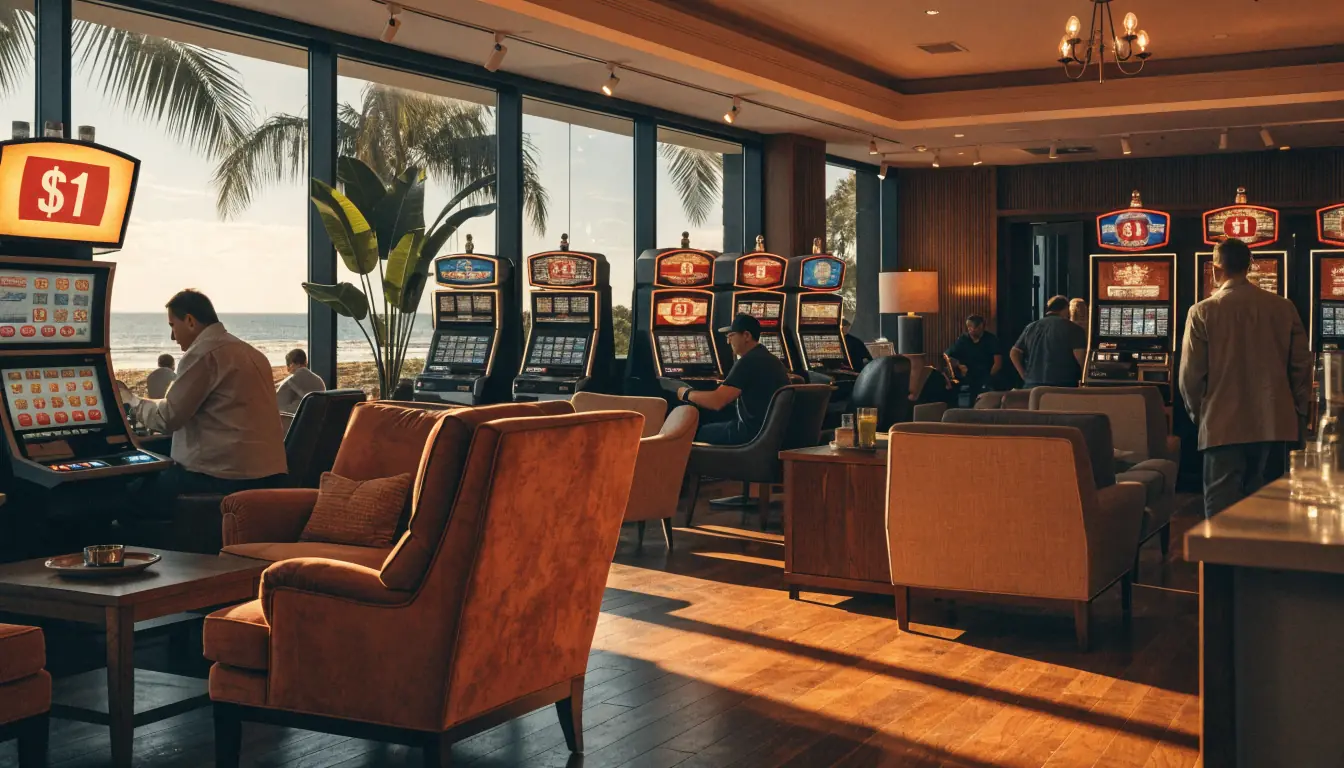
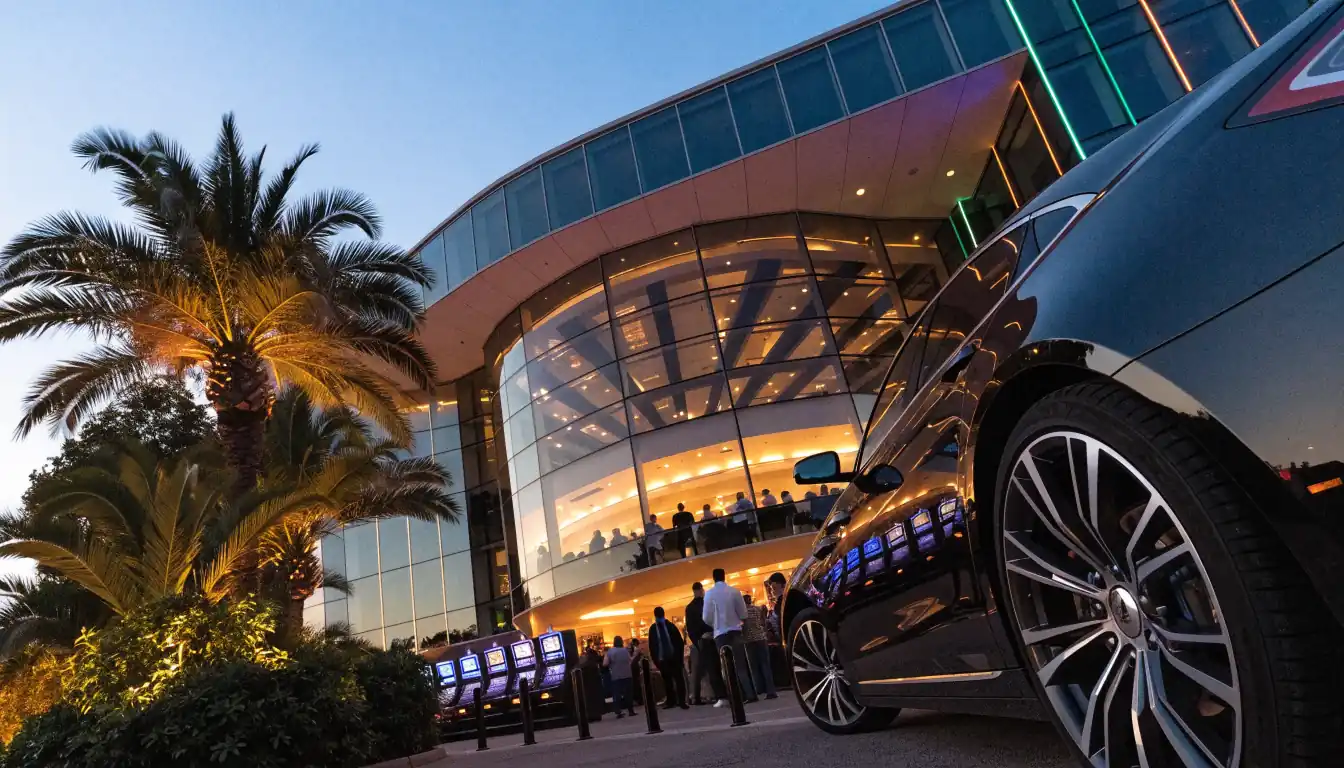
The short version: a casino hotel buys proximity and extended hours, not necessarily better value or a quieter night. Whether that trade is worth it depends entirely on how much of the stay is actually going to happen on the gaming floor.
Nearby Accommodation Options Beyond Casino Hotels
Not everyone wants to stay under the same roof as the gaming floor. Some prefer to walk out at the end of the night, cross a bridge or a couple of blocks, and sleep somewhere that doesn’t smell faintly of carpet cleaner and cigarette residue from decades past. That preference has created an entire tier of accommodation in the surrounding district that has nothing to do with the casino operator and everything to do with location.
The precinct sits close to the river, and that geography does a lot of the work. Apartment-style stays are common here — the kind aimed at longer visits, business travellers, or families who need a kitchen and a lounge room rather than a single bed and a minibar. These serviced apartments don’t run loyalty tie-ins with the casino’s rewards programme, don’t offer gaming credits, and generally don’t care whether a guest sets foot inside the gaming floor at all. What they sell is space and self-sufficiency.
Boutique hotels fill a different gap. Smaller room counts, more design attention, often housed in converted heritage buildings rather than purpose-built towers. They trade the scale of a resort hotel for character and, usually, a shorter walk to the river precinct’s restaurants and bars that have nothing to do with the casino’s own dining rooms.
Rooms are attached to the casino floor, offering direct lift access, extended room‑service hours, and on‑site gaming perks, but you’ll be exposed to casino noise and lighting.
Self‑catering units provide kitchens and living space for longer stays, ideal for business travellers or families who prefer independence from casino activity.
Smaller properties in heritage buildings focus on design and character, usually quieter and farther from the gaming floor, with a stronger emphasis on city sight‑seeing.
What actually matters when picking one
Proximity gets marketed constantly — "steps from the casino," "minutes away" — and most of it is true in the loosest sense. The more useful question is what "close" actually means on foot versus by vehicle, and whether that walk is pleasant at night. A property on the opposite riverbank might be visually near but require a bridge crossing or a ferry, which changes the calculation for anyone planning a late finish at the tables.
A short, practical list of what to weigh:
- Walking distance versus river crossings — some nearby options require a bridge or ferry link rather than a direct street walk.
- Self-catering versus serviced — apartments suit longer stays; hotels suit one or two nights.
- Noise and check-in hours — boutique properties often have smaller front desks with limited overnight staffing, worth checking if arrival is late.
- Rate transparency — independent properties price by season and events in the city generally, not by the casino’s own calendar of promotions.
That last point is worth sitting on. Casino-linked hotel rates tend to move with the casino’s own internal promotions and player tiers. Independent accommodation doesn’t follow that logic — it prices against convention traffic, general tourism demand, and the room’s own occupancy, which means the "deal" a nearby hotel advertises has nothing to do with anyone’s gambling activity. Worth remembering before assuming a discount is somehow linked to casino spend.
None of these properties offer the casino’s own perks — no direct lift access to the gaming floor, no in-house player recognition, no bundled show tickets tied to a night’s stay. What they offer instead is choice: a market rate set independently, a location chosen for the city rather than the casino, and the option to be a tourist in Brisbane first and a casino visitor second, if at all. For a lot of travellers, that’s precisely the point of staying nearby rather than inside.
Parking and Transport Access for Brisbane Casino Visitors
Nobody plans a casino trip around a car park, until they’ve circled the block twice looking for one. Physical access to a venue is unglamorous compared to the poker room or the spa, but it’s the part that decides whether the evening starts relaxed or irritated.
On-site parking
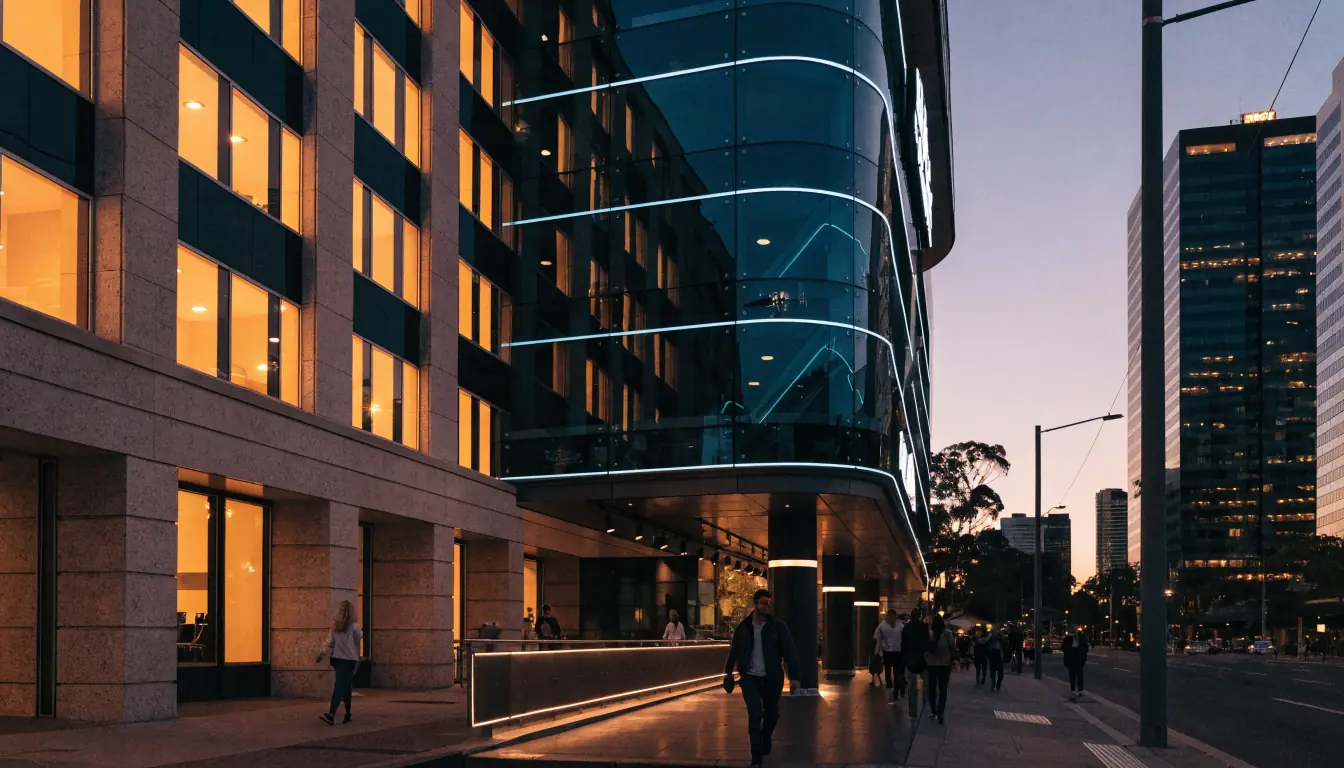
Brisbane’s casino complexes are generally built with multi-storey parking structures attached to or beneath the main building, sized for the volume of a large entertainment venue rather than a suburban pub. What varies — and what I won’t invent numbers for — is exact capacity, hourly rates, and whether validation applies for gaming or dining spend. Those details change often enough that quoting them here would be stale within months; check the venue’s own signage or front desk on arrival rather than relying on a figure printed somewhere online.
Valet service is typically the more reliable option if it’s offered, precisely because it removes the guesswork. Hand over the keys, get a ticket, collect the car at the same door later. The trade-off is cost versus convenience, and which way that trade-off leans depends on how long the visit runs and how central the parking structure actually is to the entrance you’ll use.
Public transport
Brisbane’s inner-city casino district sits within walking distance of the main rail and bus interchange, which matters more than it sounds. A short walk beats a car park search every time, particularly on weekend nights when both the venue and the surrounding streets are busiest. Trains and buses run into the CBD from the wider metro area, and the casino precinct is generally treated as a standard stop within that network rather than something requiring a special shuttle.
Ferries along the river are also part of the picture for visitors staying on the opposite bank or coming from riverside accommodation — slower than a train, but scenic, and they dock close enough to the entertainment precinct to be a genuine option rather than a novelty.
Parking rates, hourly caps and any spend‑based validation are subject to change; always verify the current terms on‑site or via the venue’s app before you arrive.
Ride-share and taxis
Ride-share pickup and drop-off is standard at this kind of venue, usually with a designated zone near the main entrance rather than requiring negotiation with hotel or casino security. Taxi ranks tend to sit alongside it. The practical difference between the two is mostly about wait time and price transparency — ride-share apps show a fare before you commit, taxis don’t always.
Late at night, after gaming floors close or after a show lets out, this is where volume becomes the real constraint. Any single pickup zone serving a large complex will queue when everyone leaves at once. That’s not a design flaw specific to Brisbane, it’s just what happens when a few thousand people want a car within the same twenty minutes.
Getting the logistics right
A few things worth separating in your head before the trip:
- Parking — attached structures exist, but confirm rates and any spend-based validation on-site rather than assuming a fixed cost.
- Rail and bus — the interchange is close enough to walk from, useful for avoiding both parking and pickup queues entirely.
- Ferry — a slower but workable option for river-adjacent stays.
- Ride-share/taxi — designated zones exist, but expect queuing at peak departure times.
None of this replaces checking the venue’s current signage or app before arrival — access points, temporary closures and pricing structures shift, and nothing published today is guaranteed to hold by the time you’re standing at the entrance.
Get the transport sorted first. Everything else is easier after that.
Poker Rooms and Gaming Areas: Facilities Overview
Ask anyone who’s dealt cards for a living and they’ll tell you: a poker room is a different animal from the rest of the floor. Table games run against the house. Poker runs players against each other, with the venue taking a cut of the pot or a seat fee. That distinction shapes everything about how the room is laid out, staffed and scheduled — and it’s why poker at a Brisbane casino gets its own corner of the building rather than sitting among the pokies and roulette wheels.
The dedicated poker area typically separates cash games from tournament tables, sometimes with a rail for spectators and a desk where staff manage buy-ins and waiting lists. Cash games tend to run on a rolling basis through the day and into the evening, with dealers rotating tables as demand shifts. Tournament tables are set up in blocks, cleared and reset once a tournament concludes, which is why the physical footprint of a poker room can look almost empty at 2pm and packed by 7pm.
What separates poker from the rest of the gaming floor
- Staffing model. Poker dealers work the pot and manage player disputes over hands; they don’t represent the house’s money the way a blackjack or baccarat dealer does.
- Table turnover. Poker tables clear and reset around scheduled events; table games run continuously regardless of the clock.
- Buy-in structure. Poker requires a stake against other players, sometimes with a rake or entry fee, rather than a straight wager against the house edge built into pokies and table games.
- Skill weighting. Outcomes depend partly on the players seated, not purely on a fixed RTP or house edge — which is part of why poker attracts a different crowd than the slots floor.
Tournament scheduling
Casinos in Brisbane run poker tournaments on a recurring basis, with structures that vary by buy-in level, starting stack and blind speed. Some are freezeouts, others allow re-entry within a set period. None of the specific dollar amounts, guarantees or blind structures for current events are something I’ll list here — schedules shift week to week, and the casino’s own tournament desk is the only reliable source for what’s running on a given night. If a promotional flyer promises a headline guarantee, check it against the actual tournament sheet at the desk before you commit — I’ve seen posters left up well past the date they applied to.
Gaming zones beyond the poker room
The wider gaming floor includes electronic table games, dedicated high-limit rooms, and separate zones for different table game variants — these run on a different rhythm to poker and aren’t something this section covers in detail. What’s worth flagging here is proximity: poker rooms are usually positioned away from the noisiest slot banks, partly for the concentration the game demands and partly because poker players tend to stay at a table for hours, not minutes.
Poker tournament scheduling
Tournament structures (buy‑in levels, starting stacks and blind speeds) are updated weekly. Guarantees and prize pools shown on promotional flyers may be outdated, so ask the tournament desk for the latest sheet before you register.
Sports bar and poker crossover
Many visitors ask about the sports bar in the same breath as the poker room, and there’s a practical reason — both draw a crowd that wants a screen in view and a seat that doesn’t need to move for a while. The sports bar sits as its own space, distinct from the poker tables, generally positioned to catch overflow from major race days or televised sport. It’s not part of the gaming floor proper — no tables, no dealers — but its adjacency to the poker room means players often drift between the two during breaks.
Access and age requirements
Entry to poker rooms and all gaming areas requires proof that a player is 18 or older — no exceptions, and identification is checked at the point of buy-in, not just at the front door. Anyone showing signs of distress at a poker table should know that Gambling Help Online (gamblinghelponline.org.au) and the phone line 1800 858 858 operate independently of the venue and can be contacted at any hour, not just when the casino floor is open.
Opening hours for the poker room specifically — as opposed to the casino’s general operating hours — are covered later in this piece, since tournament nights often run a schedule of their own.
Dining Buffets and Breakfast Options at Brisbane Casinos
A buffet is where a casino resort shows its hand. Not the poker hand — the operational one. Anyone can plate a tasting menu for forty covers a night. Feeding several hundred people a rotating spread from six in the morning until late, without the queue backing up past the gaming floor, is a different discipline entirely, and it tells you more about how the property is actually run than any brochure will.
The breakfast service is the part most visitors underestimate. It’s built for people staying on-site — guests coming down before checkout, staff on shift change, the odd table-games regular who’s been up since the small hours and wants something that isn’t a vending machine sandwich. Expect the usual hot-and-cold spread: eggs cooked a few ways, pastries, fruit, juice stations. Nothing exotic, and that’s the point — it’s designed to move volume quickly at the start of the day, not to be a destination in itself.
Buffet Pricing
Buffet sessions are split into distinct time slots and the menu rotates; prices and availability can differ between breakfast, lunch and dinner, so don’t assume the same offering all day.
What the buffet format actually delivers
The "all-you-can-eat" label gets used loosely across the industry, so it’s worth being precise about what it means in a casino setting. It’s a fixed-price, self-service format with live cooking stations feeding into a rotating menu — seafood on some nights, carvery on others, a dessert bar that stays constant while the mains change. The rotation exists for a practical reason: it keeps return diners from getting bored, and it lets the kitchen manage cost by shifting what’s featured based on what’s cheap that week. None of that is advertised, but it’s how every buffet operation works, casino or otherwise.
Opening hours split into distinct sessions rather than running continuously — breakfast, then a gap, then lunch and dinner sittings. That gap matters if you’re timing a visit around a session at the tables; walking in mid-afternoon expecting a full spread is a common way to end up disappointed.
Buffet vs everything else on the floor
It’s worth being clear about what a buffet is not, since the casino floor tends to blur these lines in its own marketing:
- Buffet dining — fixed price, self-service, rotating stations, high turnover. Built for volume and speed.
- A-la-carte restaurants — separate booking, plated service, chef-driven menus. Covered in its own right elsewhere on this page.
- Food court outlets — quick, casual, no seating commitment. A different tier again.
Loyalty programs tend to fold buffet access into their tiers — a free session, a discounted rate, a birthday voucher — which is one of the more genuinely useful perks on offer, since the cash price of a full buffet sitting adds up quickly if you’re eating on-site every visit. Signing up costs nothing and the sign-up desk is usually a short walk from the buffet entrance itself, so it’s rarely a wasted trip even if you only end up using it once.
One more thing worth noting, separate from the dining side entirely: large hospitality operations like this run on rostered kitchen and floor staff, and turnover in food service is constant. If a buffet or breakfast service looks understaffed on a given morning, it’s usually a rostering gap rather than a sign the operation is winding down — casino resorts of this size are, functionally, one of the larger hospitality employers in the city, running kitchens, service floors and back-of-house around the clock.
The honest summary: the buffet is convenience dining, not an occasion. It earns its keep on volume, consistency, and not making you wait. Go in expecting that, not a fine-dining substitute, and it delivers exactly what it promises.
A‑La‑Carte Restaurants and Culinary Experiences
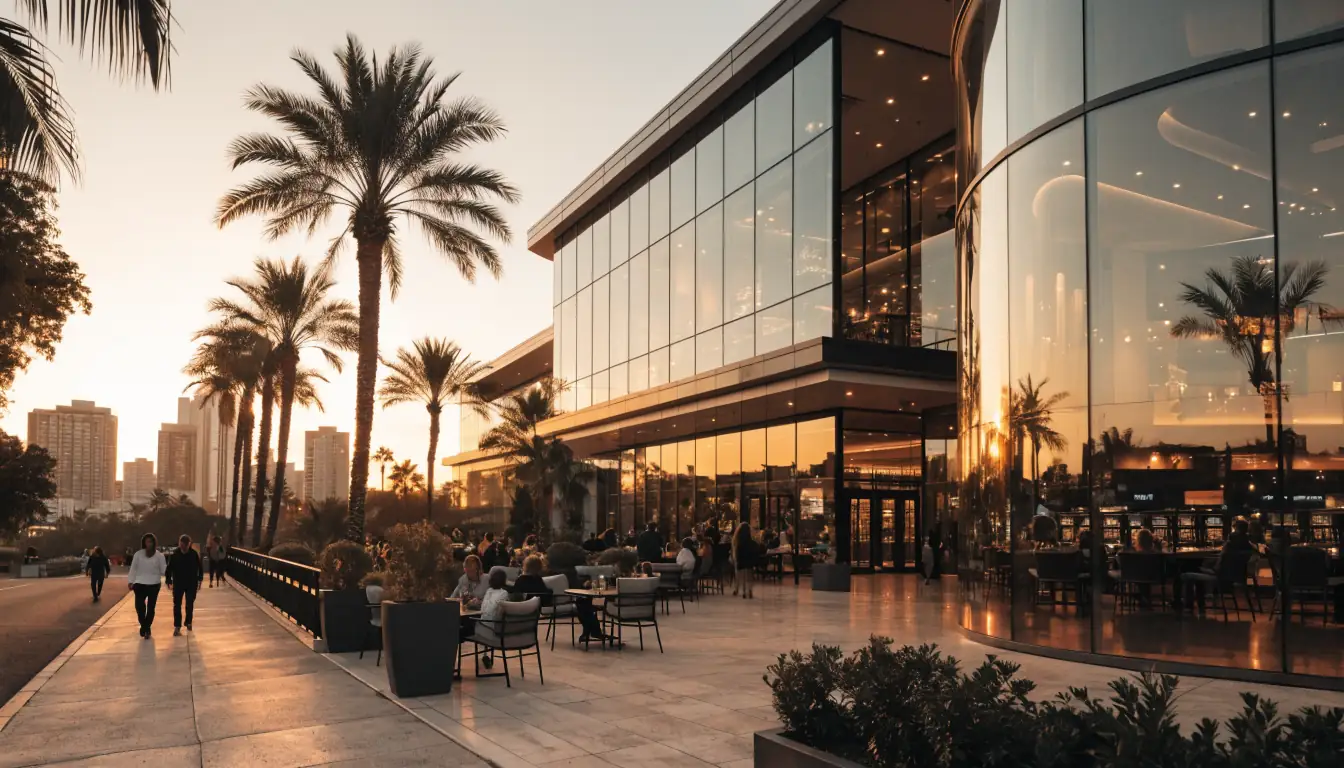
Walk past the pokies floor at the Brisbane casino and the noise drops. A la carte dining sits on a different register entirely — table service, wine lists, a kitchen with a concept rather than a steam tray. This is where the "fine dining" label actually earns its quotes: a chef’s name attached to a menu, plating that takes its time, a booking system instead of a queue.
The restaurants clustered around the gaming floor and adjoining precinct typically split into a few recognisable formats:
- Steakhouse-style grill rooms — aged cuts, a raw bar or seafood tower option, the kind of room built for a win being celebrated or a loss being drowned in red wine.
- Asian-fusion or teppanyaki concepts — theatre cooking at the table, popular with groups who want the meal itself to be the entertainment rather than a backdrop to it.
- Modern Australian menus — seasonal, locally sourced framing, usually the room the casino photographs for its own marketing.
- Rooftop or elevated dining — a smaller number of venues use height and river views as the actual selling point, with the food menu built around an evening that starts with cocktails before the sun goes down.
None of these compete directly with the buffet on price, and they’re not supposed to. A buffet sells volume and flexibility; an a la carte room sells an evening. The two exist side by side in the same building precisely because they serve different visits — one is what you eat between sessions, the other is the session.
Chef concepts tend to be the actual differentiator, more than the room itself. A grill menu built around a specific supplier relationship reads differently on the page than a generic "premium cuts" listing, and it’s worth noticing which restaurants name their producers and which just say "finest quality" — the second phrase usually means less scrutiny went into sourcing, not more.
Bookings matter more here than anywhere else in the complex. Walk-in tables exist but the better slots — window seats, early evening on a Friday — go to people who reserved ahead, sometimes through the casino’s own loyalty programme rather than a general booking line. Dress codes are real in the steakhouse and rooftop rooms in a way they’re not in the food court, and turning up expecting buffet-casual service will get a polite redirect, not a table.
A‑la‑carte restaurants usually require reservations for prime seating and may enforce a dress code, especially in the steakhouse and rooftop venues.
Price tiers aren’t published in any consistent way across venues, which makes direct comparison difficult without contacting each restaurant. What’s consistent is the positioning: these are the rooms the casino wants written up in dining guides, not the ones built to move the most covers per hour. That distinction is worth keeping in mind when a menu reads more like a magazine spread than a dinner option.
Food Courts and Leisure Pools: Casual Options
Not every visit calls for a tasting menu or a buffet queue. The casual precinct exists for the in-between moments — a quick bite between hands of poker, or lunch while someone else in the group is still deciding what to play. Fast-food counters and grab-and-go stalls cover the basics: coffee, sandwiches, noodle bowls, the kind of food you eat standing up and forget about ten minutes later. That’s the point.
What separates a food court from the buffet or the a-la-carte room next door isn’t just price. It’s commitment. Nobody books a table at a food court. You walk up, you order, you leave whenever the plate’s empty. For a casino floor built around keeping people comfortable for long stretches, that low-friction option matters as much as the fine dining does.
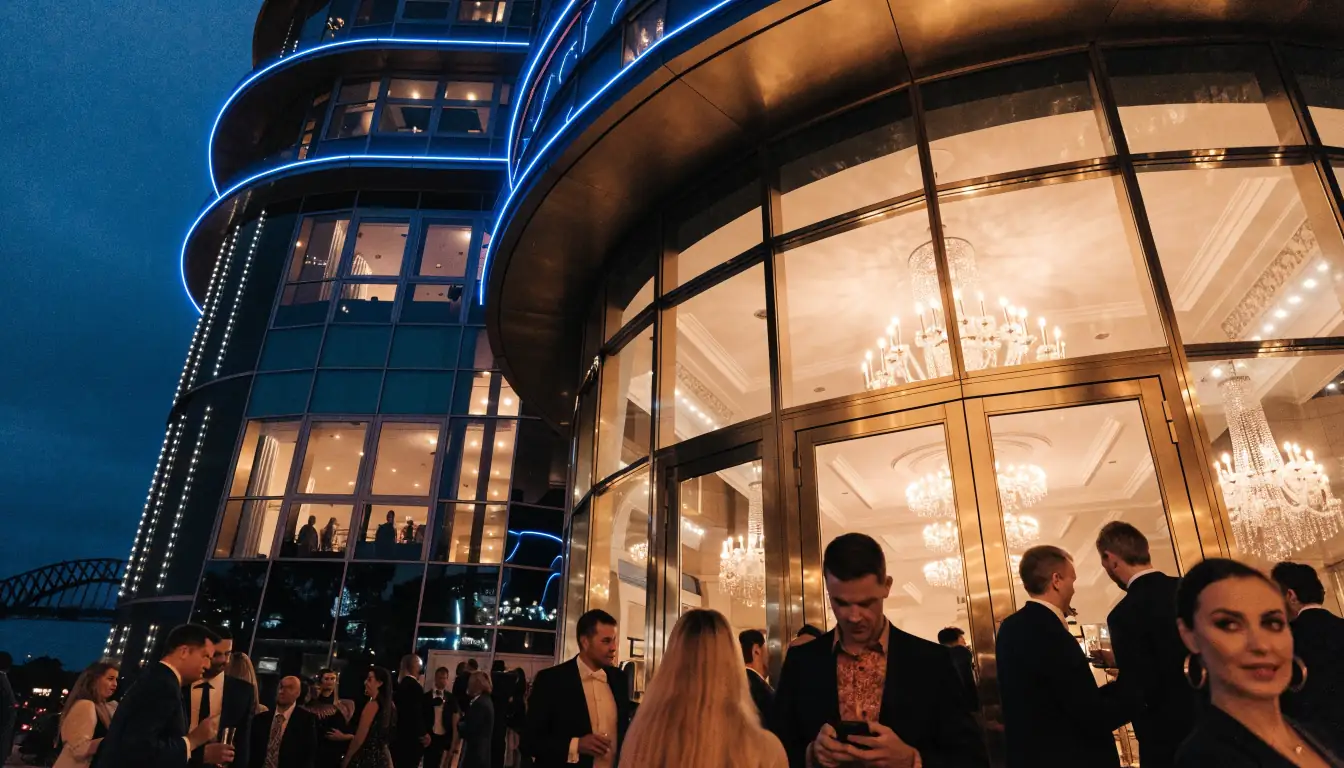
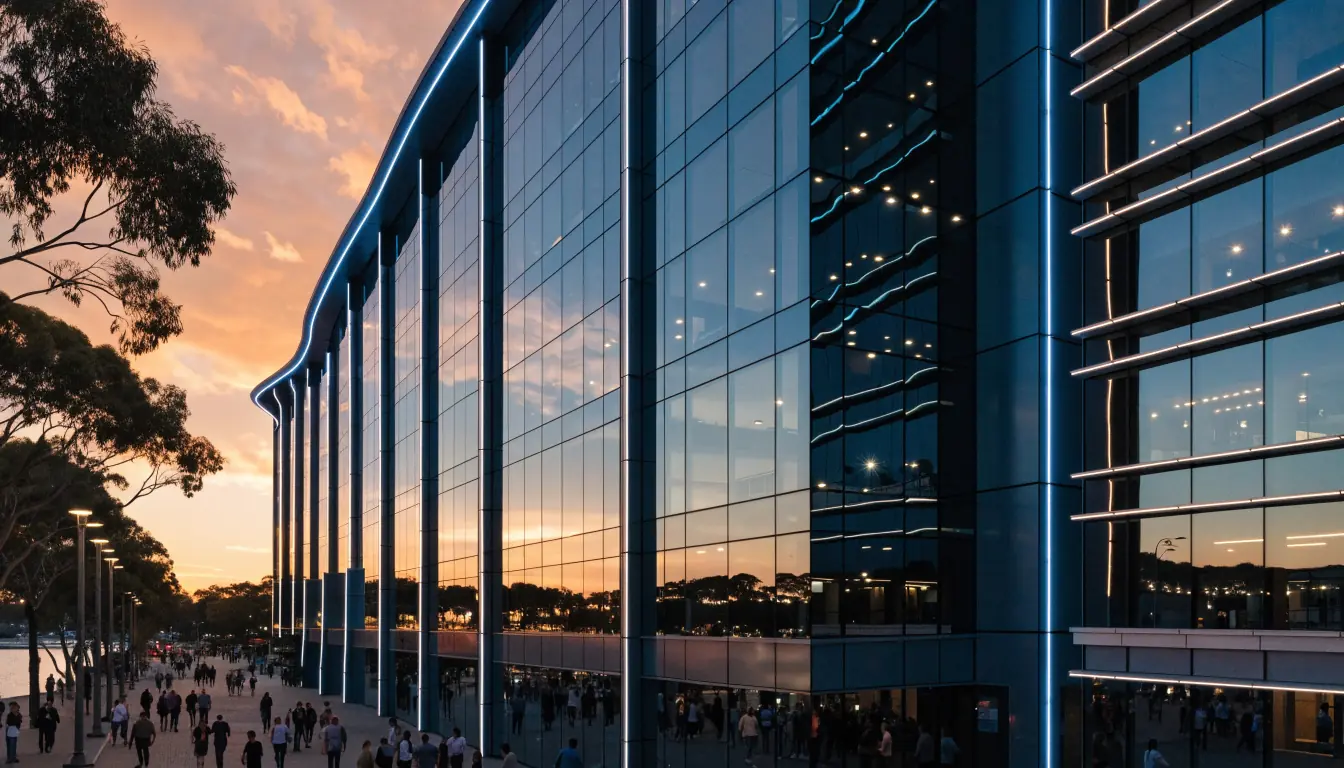
The leisure pools sit in the same category — recreational, not "wellness" in the spa sense. No treatments, no bookings, just a place to sit outside and decompress between sessions. It’s a different crowd than the one paying for a massage upstairs, and a different pace than a dinner reservation.
None of this replaces a proper meal. It’s there for people who want food without the ceremony, and a pool without a program attached to it. Simple, on the way to somewhere else.
Wellness and Spa Services at Brisbane Casino Complex
Not every visitor comes for the tables. A good chunk of the floor traffic at any large casino complex eventually drifts toward the spa wing, usually somewhere between a big win they want to celebrate and a losing session they want to forget. Brisbane’s casino properties have picked up on this and built out wellness offerings that stand apart from the gaming floor entirely — separate entrances, separate staff, separate billing.
The typical day spa attached to a casino complex runs on a straightforward menu: massage treatments, facials, body treatments, and access to sauna or steam facilities. What differs from a standalone day spa in the suburbs is mostly logistics — being able to book a treatment and then walk straight back to a hotel room or the gaming floor without leaving the building. That convenience is the actual product being sold, more than any specific technique on the treatment list.
What’s typically included
- Massage services, ranging from shorter targeted sessions to longer full-body treatments
- Facial and skin treatments
- Sauna and steam room access, sometimes bundled with a treatment, sometimes sold separately as facility access
- Wellness packages that combine two or three services, aimed at guests staying overnight in the attached hotel
Booking and access
Spa bookings inside a casino complex generally run through hotel concierge or a dedicated spa reception rather than the casino’s own front desk. Walk-ins are usually possible but not guaranteed — the treatment rooms are limited in number compared to the size of the gaming floor, so anyone with a specific time in mind is better off booking ahead, particularly around weekends when hotel occupancy is highest.
There’s no age gate on the spa itself beyond standard adult-service norms, which is worth noting because it’s a different rule from the gaming areas, where the eighteen-plus requirement is strictly enforced with ID checks at the door. A spa visit doesn’t require the same verification. Families or younger guests staying at the hotel can use wellness facilities even if they have no access to the casino floor a level below.
Where it fits in the broader visit
I’ve always thought the spa is the part of these complexes that gets the least marketing attention and does the most quiet work retaining guests. A "luxury wellness experience" sounds like every hotel brochure ever printed — what it actually means here is a sauna that’s open at hours that suit someone who’s been at a poker table until 3am, and a massage booked for the next afternoon before checkout. That’s the real value proposition, stripped of the brochure language.
Booking Spa Early
Securing a spa appointment ahead of time guarantees a treatment slot during peak weekend periods and lets you fit it conveniently around your gaming schedule.
Pricing and specific treatment menus aren’t published in a way that makes broad claims reliable, so it’s worth checking directly with the property before assuming a particular service is on offer. What’s consistent across Brisbane’s casino complexes is the basic structure: spa services sit adjacent to, not inside, the gambling operation, with their own rules and their own rhythm.
On‑Site Amenities: Bars, Concerts and Other Services
A casino floor doesn’t make its money on the pokies alone. It makes it on the hours people stay after they’ve stopped playing — at a bar, waiting for a table, watching a band. Every bar inside a Brisbane casino complex is positioned with that in mind, usually within sight or earshot of the gaming floor, so the walk from a blackjack table to a stool takes under a minute.
The bars themselves range from quick-service counters tucked between banks of pokies to lounge-style setups with table service, the kind meant for people settling in for a few hours rather than a quick round. Sports coverage plays on screens in most of them, which matters given how much of Brisbane’s gambling culture runs alongside racing and football broadcasts rather than separate from them. None of these venues can carry gambling promotion on the screens themselves — advertising rules cap how visible that kind of messaging can be, even inside a venue that’s entirely built around gambling.
Live music and concerts
Larger Brisbane casino complexes run their own performance spaces, separate from the restaurants and bars, built for actual concerts rather than background music. Scheduling here tends to follow a rhythm: touring acts and larger productions get booked well ahead, while smaller acoustic sets or resident performers fill the bars and lounges on a rolling basis through the week. What’s on any given night is worth checking directly with the venue, since programming shifts by season and by what’s touring through Queensland.
Live music and concert booking
The casino’s performance hall hosts touring acts and larger productions, while bars feature resident DJs and acoustic sets. Event line‑ups change frequently, so check the venue’s official calendar for the latest schedule and ticket information.
The pattern worth understanding is why casinos build concert venues at all — it’s not a charitable add-on. A ticketed show pulls people onto the property who weren’t planning to gamble that night, and a percentage of them do anyway on the way in or out. Nothing sinister about it, just a business model. "Free entertainment" attached to a casino floor is rarely free in the sense people assume; it’s a foot-in-the-door cost the venue has already priced into its gaming revenue.
Other non-gaming attractions
Beyond bars and music, complexes typically run a mix of:
- Lounge areas — separate from bars proper, often reserved for members or higher-tier loyalty guests, with their own service standards.
- Retail outlets — small runs of shops selling merchandise, gifts, or convenience items, usually clustered near main entrances.
- Function and event spaces — hired out for private functions, corporate events, or larger public gatherings unrelated to gambling.
- Cinema or entertainment lounges — where offered, these sit apart from the gaming floor and operate on their own schedule.
None of this is unique to Brisbane — every major Australian casino runs a similar playbook, because the economics behind it are the same everywhere. What differs is scale and how often the calendar turns over.
Two things worth flagging plainly. First, the specific acts, ticket pricing, and venue capacities for Brisbane’s casino entertainment spaces aren’t something published in any consistent, checkable form — that detail sits with the venue’s own event calendar, not with any independent register. Second, nothing about live entertainment, bars, or retail on a casino floor changes the underlying legal picture: none of this bears on gaming licences, and none of it is an endorsement of any online product carrying the same branding. The bar is real. The stage is real. What the brand sells online is a different question, covered elsewhere.
Opening Hours, Events and Entertainment Schedule
Ask a pit manager when the floor is busiest and the answer is never a clean number — it shifts with the day of the week, the calendar of public holidays, and whatever’s booked in the entertainment room that night. What I can say plainly: a Brisbane casino floor built for tourism runs long hours by design, because the business model depends on people wandering in without a plan. Front desks and gaming areas are staffed well past what a normal retail precinct would justify. If a specific room or bar keeps different hours from the main floor, that’s usually posted at the entrance rather than published anywhere central — worth checking on arrival rather than assuming the whole building runs on one clock.
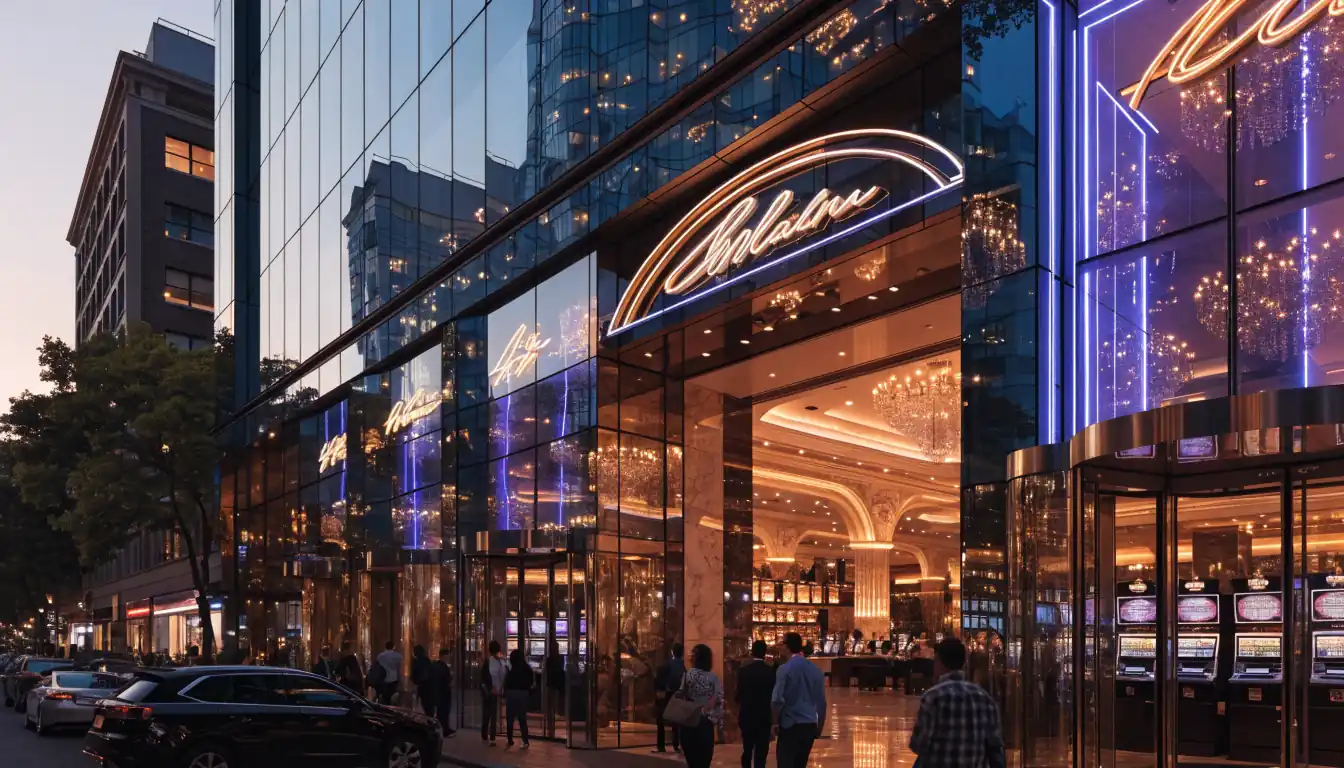
Reopening after any closure — renovation, redevelopment, or a temporary shutdown of part of the complex — tends to happen in stages. Gaming floors come back first, food and entertainment areas follow once staffing catches up. Anyone timing a visit around a reopening should treat the first few weeks as a soft launch: full programming, promotional events and the complete range of table games don’t necessarily land on day one.
What "events" usually means on a casino calendar
The word gets stretched to cover several different things, and they’re worth separating:
- Poker tournaments — scheduled sessions with set buy-in windows, run separately from the general poker room hours covered elsewhere.
- Live entertainment nights — musicians, DJs, or themed nights tied to the bar and lounge spaces rather than the gaming floor itself.
- Seasonal promotions — tied to public holidays or the calendar year, often bundled with dining or accommodation offers.
- Member or loyalty-tier events — invitation-based, not open-door, and rarely advertised outside the casino’s own channels.
None of these run on a fixed annual pattern that holds from one year to the next. A venue’s entertainment lineup for 2026 is not the same as it was two years earlier, and won’t be the same again next year — schedules get rebuilt seasonally, sometimes around a headline act, sometimes just to fill a quiet month.
Development and employment — a side note worth flagging
Casino "development" in Brisbane usually refers to construction or expansion of the physical complex — new towers, new gaming floors, new precincts — and that construction timeline is what drives a lot of the reopening confusion above. Employment at these properties spans gaming, hospitality, security and management roles, and hiring tends to spike around major openings or seasonal peaks. None of that is information this page tracks — it belongs to the casino’s own careers page and local reporting on the build, not to a hotel-and-amenities overview.
The honest answer on schedules
There’s no single published master calendar that covers opening hours, tournament dates and entertainment bookings in one place — casinos update these independently, often only a few weeks ahead. Anyone planning a trip around a specific event should confirm directly with the venue close to the date rather than relying on anything printed months in advance. That’s not a dodge — it’s how the industry actually operates.
Are crypto casinos legal in Australia in 2026?
No online casino — crypto or otherwise — can be legally offered to Australian residents, because the Interactive Gambling Act 2001 prohibits online casino-style games and no domestic licence for them exists. However, it is not illegal for individual Australians to play at offshore-licensed online casinos; the law targets operators, not players.
How can I verify if a gambling operator is legal?
Check which layer of regulation applies: physical venues like a Brisbane casino are licensed by state and territory authorities (Queensland for Brisbane), while anything online falls under the federal Interactive Gambling Act 2001 enforced by ACMA. Note that no real-money online casino can hold a domestic Australian licence at all, so any online casino brand targeting Australians is operating under an offshore licence.
What is the impact of gambling advertising on young Australians?
Roughly 30% of Australians aged 12–17 already gamble, rising to nearly 46% among 18–19-year-olds, which points to early exposure to gambling products and marketing. Around 80,000–160,000 Australian adults experience significant gambling problems (0.5–1.0% of adults).