Best Casino in Sydney: Hotels, Gaming and Dining Guide
 Available in AU
Table of Contents
- Casino Hotels in Sydney: Accommodation and Gaming Convenience
- Poker Rooms and Gaming Zones at Sydney Casinos
- Dining Options: Buffets and Breakfast Offerings
- Parking and Accessibility for Casino Visitors
- Nearby Accommodation Options Beyond Casino Hotels
- Contact Channels, Services and On‑Site Amenities
- Operational Hours, Licensing and Legal Status of Sydney Casinos
- Wellness and Spa Facilities Within Casino Complexes
- Restaurant Selections Inside Sydney Casinos
- Food Courts and Pool Areas: Casual Gaming Environments
Casino Hotels in Sydney: Accommodation and Gaming Convenience
Staying inside a Sydney casino hotel changes the shape of a trip in a way that’s hard to explain until you’ve done the alternative — booking a room ten minutes away and walking back at 2am because the lift down to the floor was faster than calling a cab. The convenience isn’t marketing copy. It’s a lift ride instead of a taxi fare, and a key card instead of a wallet full of receipts.
The core pitch of an integrated hotel-casino is straightforward: gaming floor, restaurants, bars and rooms sit under one roof, so nothing about the night requires stepping outside. That matters more in Sydney than it might elsewhere, given how much of the city’s gambling activity is habitual rather than occasional. With over a third of Australian adults gambling at least weekly, a lot of casino guests aren’t tourists ticking a box — they’re locals or regular visitors who value not having to plan around a commute.
What "integrated" actually means
The term gets used loosely, so it’s worth separating what it covers here from what belongs elsewhere in this guide. Integrated accommodation means:
- Rooms are physically part of the casino complex, not a partner hotel across the road with a shuttle.
- Check-in and gaming floor access share the same building, often the same lobby.
- Room bookings can sometimes be bundled with gaming-related perks, though the specifics of any offer should always be checked against the property’s own terms rather than assumed from general “hotel deal” language.
Before picking where to play, it helps to weigh licensing, welcome offers, and payout practicalities side by side rather than relying on marketing alone.
License: Curacao · Bonus: up to A$2,000 Golden Pokies operates under a Curacao licence and offers a welcome bonus worth up to A$2,000, giving new players a sizeable starting boost.
Bonus: 100% up to A$750 + 200 free spins, 35x wagering · Payout speed: crypto 30-120 minutes, fiat 24-72 hours · Min. deposit: A$30 MrPacho pairs a 100% match up to A$750 with 200 free spins under 35x wagering, and stands out for fast crypto payouts of 30-120 minutes alongside a low A$30 minimum deposit.
License: Curacao eGaming (Roby Games Ltd) · Bonus: 100% up to A$750 + 200 free spins Roby Casino is licensed by Curacao eGaming under Roby Games Ltd and backs its offering with a 100% bonus up to A$750 plus 200 free spins.
License: Curacao Gaming Control Board · Bonus: up to A$5,000 + 400 free spins JustCasino holds a Curacao Gaming Control Board licence and offers a generous welcome package of up to A$5,000 plus 400 free spins.
License: Curacao Gaming Authority (Jumpman Gaming Ltd) · Bonus: up to A$6,600 + up to 250 free spins across 4 deposits DragonSlots Casino, licensed by the Curacao Gaming Authority under Jumpman Gaming Ltd, spreads a bonus of up to A$6,600 and up to 250 free spins across four deposits.
License: Curacao eGaming OGL/2023/174/0082 (Dama N.V.) · Bonus: up to A$10,000 + 500 free spins across 4 deposits · Min. deposit: A$15 LevelUp Casino runs under a Curacao eGaming licence held by Dama N.V. and offers a large bonus package of up to A$10,000 with 500 free spins across four deposits, plus a low A$15 minimum deposit.
License: Curacao, operated by Dama N.V. · Bonus: 325% up to 5.25 BTC + 250 free spins across 4 deposits 7Bit Casino, operated by Dama N.V. under a Curacao licence, features a crypto-friendly bonus of 325% up to 5.25 BTC plus 250 free spins spread over four deposits.
License: Curacao Gaming Control Board OGL/2023/176/0095 (Hollycorn N.V.) · Bonus: up to A$11,000 + 300 free spins (code NEO100) Neospin holds a Curacao Gaming Control Board licence under Hollycorn N.V. and offers a bonus of up to A$11,000 with 300 free spins via a dedicated bonus code.
License: Curacao Gaming Control Board OGL/2023/176/0095 (Hollycorn N.V.) · Bonus: up to A$5,000 + 300 free spins across 4 deposits Rollero Casino is licensed by the Curacao Gaming Control Board under Hollycorn N.V. and offers up to A$5,000 plus 300 free spins spread across four deposits.
License: Curacao (operating since 2017) · Bonus: 250% up to A$2,000 + 50 free spins on the first of six deposits · Min. deposit: A$20 Uptown Pokies has been operating since 2017 under a Curacao licence, offering a 250% bonus up to A$2,000 with 50 free spins on the first of six deposits, and a low A$20 minimum deposit.
What integrated accommodation does not cover — deliberately, since those are separate topics in this guide — is which restaurants sit inside the building, what the poker schedule looks like, or how you get there by public transport. This section is about the beds, not the tables or the food.
Why on-site beats off-site, practically
The obvious advantage is time. A guest staying inside the complex loses no window between "I’m done for the night" and "I’m in my room." That sounds trivial until you’ve watched someone at 4am debate whether one more hand is worth missing a booked ride. Proximity removes that decision entirely — for better or worse, and it’s worth being honest that this cuts both ways. Easier access to the floor also means easier access when you’d rather have gone to bed an hour ago.
There’s also a practical case around service continuity. Guests staying on-site typically deal with the same front desk and the same loyalty program touchpoints for both room and gaming activity, rather than juggling two separate accounts or two separate customer service lines — one for a hotel booking platform, one for the casino’s own players’ club.
Rooms as part of the gaming economy
It’s worth naming plainly what a casino hotel room actually is from the operator’s side: an amenity built to keep spend inside the building. That’s not a criticism — it’s simply how integrated resorts are designed everywhere, not just in Sydney. A comfortable room extends a visit from a few hours to overnight, or from one night to a weekend. Recognising this doesn’t require avoiding these properties; it just means treating "convenient" and "designed to be convenient for a reason" as two sides of the same fact.
Staying on‑site can significantly increase your gambling spend, as the convenience of never leaving the floor makes it easy to keep playing longer than intended.
Given how much money moves through Australian gambling generally — bets nationally ran into the hundreds of billions of dollars for the 2022–23 financial year, with tens of billions lost — it’s not surprising that accommodation has become one of the more sophisticated retention tools operators have. A guest who never leaves the building never has a moment to reconsider a session, refill on cash off-site, or simply cool off. That’s worth knowing going in, not as a warning against staying on-site, but as context for why the option exists and how heavily it’s promoted.
Booking considerations specific to on-site stays
A few things differ from booking an ordinary hotel room:
- Room rates can fluctuate with events or peak gaming periods rather than purely tourism seasonality.
- Loyalty tier status with the casino’s players’ program may affect room rate or availability, separate from any general hotel booking platform’s own loyalty scheme.
- Cancellation and check-in terms sit under the hotel’s own policy, not the casino floor’s rules — worth reading separately since the two are legally and operationally distinct services under one roof.
None of that makes on-site accommodation a bad choice. It just means the decision to stay inside the building is a gaming-adjacent decision, not a purely accommodation one. Worth remembering before you book.
Poker Rooms and Gaming Zones at Sydney Casinos
A poker room is not just a corner of the main floor with a few extra tables. The distinction matters more than most visitors realise. General casino floors run on turnover — machines and table games designed for constant, self-contained rounds. A dedicated poker room runs on a different economy entirely: the house takes a cut of the pot or charges table time, and everything else — the schedule, the staffing, the felt itself — is built around getting enough players seated at once for a game that only works with real opponents across the table.
That’s the part brochures skip. A "poker room" advertised on a casino’s site can mean a handful of cash tables that only fill on weekend nights, or it can mean a genuine tournament circuit with a printed schedule and a waiting list. Worth checking before turning up expecting a seat.
What separates a poker room from the floor
- Format. Cash games and tournament structures, not fixed-odds or RNG-driven play.
- Rake structure. Poker rooms earn on time or pot percentage, which is why table minimums and buy-in tiers tend to be posted openly — it’s in the house’s interest that you know before you sit down.
- Player-versus-player stakes. No card counting concerns, no house edge in the conventional sense — the skill differential between opponents matters more than anything printed on a paytable.
- Tournament cadence. Recurring events with published start times and buy-in levels, distinct from the ad-hoc nature of pit games.
Gaming zones sit somewhere between the two. These are usually themed sections — high-limit rooms, electronic table games, or areas grouped by game type rather than by stakes. They’re laid out for flow and sightlines, not for the slower, more social rhythm a poker room needs. If a venue’s marketing blurs the two together, that’s usually a sign the poker offering is smaller than the language suggests.
Reading a tournament schedule properly
A schedule tells you more about a venue’s actual poker culture than any review does. Look for:
- Frequency — daily, weekly, or occasional. A once-a-month event isn’t a “circuit,” whatever the listing calls it.
- Buy-in tiers — whether there’s a genuine spread from entry-level to higher stakes, or just one bracket repeated under different names.
- Guaranteed prize pools versus stated ones — a guarantee is a commitment; a stated pool is just an estimate until the seats fill.
- Satellite structures — smaller buy-in events feeding into bigger ones, which is usually where the room’s real depth shows.
None of this replaces walking in and asking the floor staff directly what’s actually running that week — schedules published online lag behind what’s happening on the ground more often than operators admit.
Why this belongs in a ranking discussion at all
The same instinct that applies to comparing casino sites applies here, scaled down. Rankings we maintain for operators get recalculated weekly on a weighted formula — bonus generosity, payout reliability, game library breadth, support responsiveness, and player feedback all factor in, with reviewers putting down a minimum stake and testing withdrawals rather than taking a claim at face value. A physical poker room deserves the same scepticism. "Tournaments daily" printed on a sign is a claim, not a fact, until someone’s checked it against what’s actually dealt that week.
Age verification applies here as it does everywhere else on the floor — eighteen is the line, checked at the door and again at the table for anything with real money changing hands. No exceptions for tournament entries, satellites, or side games, regardless of buy-in size.
Financial risk
Tournament fields can be large, meaning prize pools are spread thin and you may walk away with less than expected, or even lose money if you chase a win.
One rubbed-raw truth from time spent adjacent to these rooms: the busiest tournament isn’t always the best one to enter. Bigger fields mean longer nights, thinner prize distribution, and — often — the house barely noticing whether you’re there or not. Smaller, well-run rooms tend to treat regular players better simply because they can afford to know who you are.
Dining Options: Buffets and Breakfast Offerings
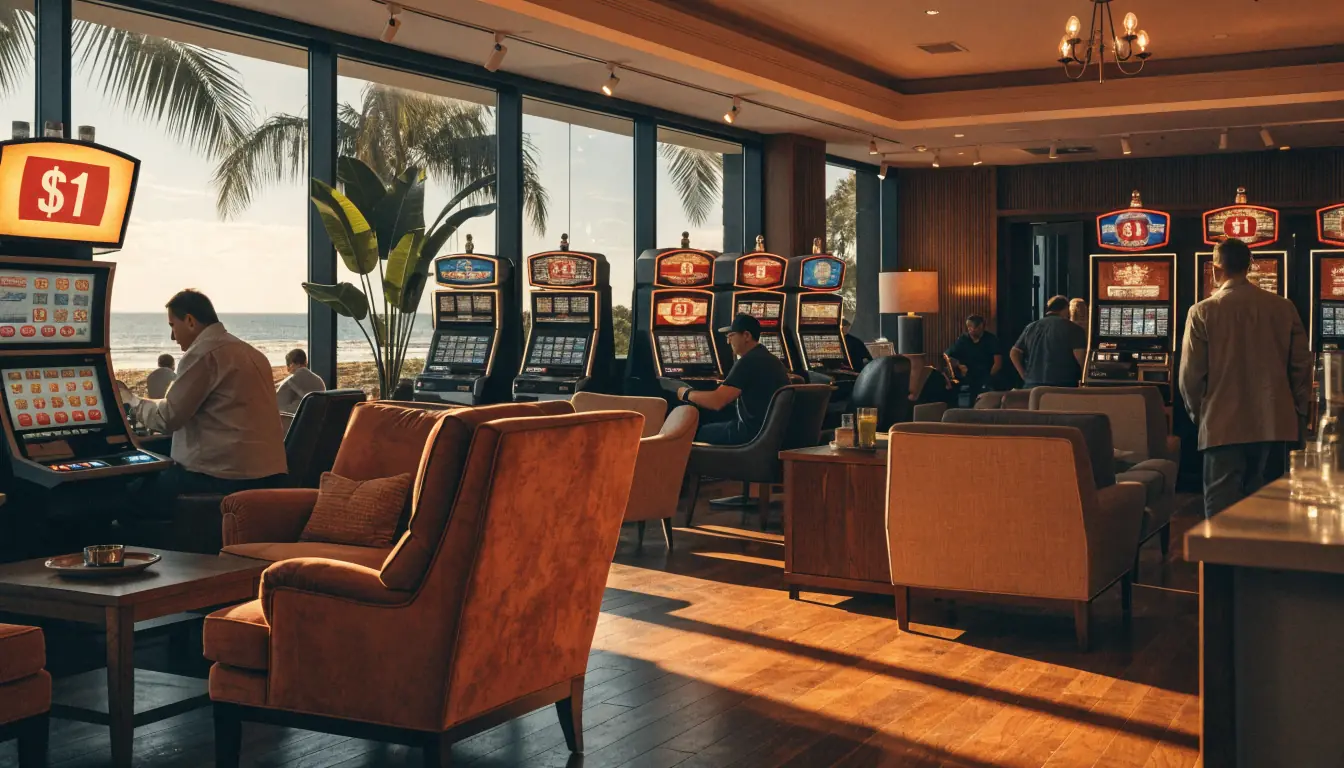
A buffet at a casino resort does a specific job: it feeds a lot of people fast, keeps them on-site, and gets them back onto the floor without a long lunch break interrupting the flow. That’s the actual function behind the "all-you-can-eat" pitch. Nothing wrong with it — I’ve eaten plenty of them — but it helps to know what the format is optimised for before deciding it’s the best breakfast in Sydney.
Breakfast service at the bigger Sydney properties tends to run early, aimed squarely at two groups: hotel guests coming down before checkout, and staff or early-shift workers grabbing something quick before the floor gets busy. That second group matters more than marketing copy admits — a casino resort runs on a large workforce, and anyone who’s worked one of these buildings, in food service, security or the pit, knows the breakfast buffet doubles as the closest decent meal on a break. If you’re asking around about casino jobs in Sydney, the size of the kitchen and food operation is usually a decent indicator of how many people the property employs beyond the gaming floor itself.
What buffet pricing actually buys
The spread is the selling point: hot stations, cold cuts, pastries, made-to-order eggs at breakfast, and rotating cuisines at dinner sittings. Volume is the trade-off. Quality control across a buffet that size is harder than in a restaurant with a fixed menu of twenty items — some stations will be excellent, others average, and which is which changes by the week depending on kitchen staffing. That’s not a knock on any specific venue, it’s just how buffet economics work everywhere, not only in Sydney.
Where a buffet earns its keep is turnaround. If you want breakfast on a schedule — in, fed, out — before a poker session or before checking out of the hotel, it beats waiting for a table and a printed menu. If you’re after a slow meal with a wine list and a view, that’s a different section of the building and a different price point entirely.
Rewards and comps
Loyalty programs at Sydney casinos typically fold dining credit into the wider rewards structure — points earned on the floor convert to meal credit, and buffet or breakfast service is usually where those credits stretch furthest because the per-head cost is lower than a la carte dining. Worth checking the terms directly with the property before assuming a comp covers a specific sitting, since these programs change and none of the operators publish a standard national schedule.
Buffet pricing is designed for volume; you get a wide selection at a lower per‑head cost, but quality can vary between stations and from week to week.
A word on where this fits legally
None of this — buffets, breakfast sittings, loyalty dining credit — has anything to do with online casino play, and it’s worth being direct about why that distinction matters. The Interactive Gambling Act makes it illegal to offer online casino games — pokies, blackjack, roulette — to anyone in Australia; sources differ on whether the relevant law dates to 1997 or the 2001 version, but either way the restriction is federal and it applies to operators, not to what’s served on a buffet line in a Sydney casino resort. Gambling winnings themselves aren’t taxed here, which is sometimes raised in the same breath as "free breakfast" as though the two are connected. They’re not. One’s a tax rule, the other’s a hospitality perk, and conflating them is how misleading claims about casino "value" get made.
If you’re weighing where to eat inside one of these buildings, treat the buffet as what it is: convenient, inconsistent by nature, and priced for volume rather than for a special occasion. For that, look at the full-service restaurants covered separately — different kitchen, different pace, different bill.
Parking and Accessibility for Casino Visitors
Ask around a casino floor about parking and you get the same shrug every time: it works, it’s expensive, and nobody remembers the last time they used public transport instead. That’s the honest version. The marketing version calls it "convenient" and leaves it there.

Multi-storey parking attached to the main gaming floors is built for volume, not charm. Concrete ramps, tight bays, lifts that queue up on weekend nights. Valet service exists for people who’d rather not deal with any of that, and it does what valet always does: someone else parks the car, someone else fetches it, and the convenience gets priced into the experience one way or another. I’ve used both. Valet saves time on a Saturday night when the self-park levels are already backed up to the street. On a quiet Tuesday afternoon, it’s a needless line item.
What actually differs from staying on-site
This is the point worth separating out, because it gets blurred in a lot of casino write-ups: parking logistics are not the same conversation as accommodation logistics. A guest staying in an on-site hotel isn’t thinking about where to leave the car for the evening — that’s sorted as part of check-in. A day visitor, someone driving in for a few hours of pokies or table games and driving home after, has a completely different set of concerns: is there space, is it free or metered, and how far is the walk from the car to the floor. Two different problems, often answered by two different parts of the same building.
Getting there without a car
Sydney’s casino precincts sit close enough to the CBD that public transport is a realistic option, not a fallback. Light rail, buses and ferry connections all put a casino within a short walk for most visitors coming from the city side. It won’t suit everyone — anyone carrying luggage for a longer stay is still better off with a taxi or rideshare direct to the door — but for a night out with no plans to stay over, skipping the car altogether removes the parking question entirely.
Parking options
Multi‑storey car parks attached to the casinos are generally inexpensive for short visits but can become pricey for overnight stays. Valet service is available at an additional charge, and public transport (light rail, bus, ferry) provides a cost‑free alternative for city‑bound guests.
Accessibility features on the property side tend to follow standard expectations: level access from parking structures into the gaming floor, lifts sized for wheelchairs, and staff on hand near entrances who can point visitors toward the right level or gate. None of this is unique to casinos, but it matters more here than in an average retail building, given the volume of older visitors and late-night foot traffic these venues see.
One thing worth saying plainly
None of this changes based on what happens once someone’s inside the building. Whichever floor they’re headed to — pokies, tables, the sportsbook counter — the legal position on gambling itself in Australia doesn’t shift with the parking arrangements. Online sports betting is legal here under state and territory licences, and that’s a genuinely different regulatory category from online casino games, which remain prohibited federally under the Interactive Gambling Act 2001. There’s no domestic licence that makes a real-money online casino legal for Australian players, and none is coming through a parking structure or a valet desk. Live in-play betting online is banned too, though placing that same bet by phone stays legal — a distinction that trips people up more than it should.
Worth remembering before anyone assumes the physical convenience of a casino car park says anything about what’s permitted once they’re back on their phone in the passenger seat.
Nearby Accommodation Options Beyond Casino Hotels
Not everyone wants to sleep where they gamble. I’ve booked both ways over the years, and there’s a real argument for putting some distance between the room key and the gaming floor — even a five-minute walk changes how a night ends.

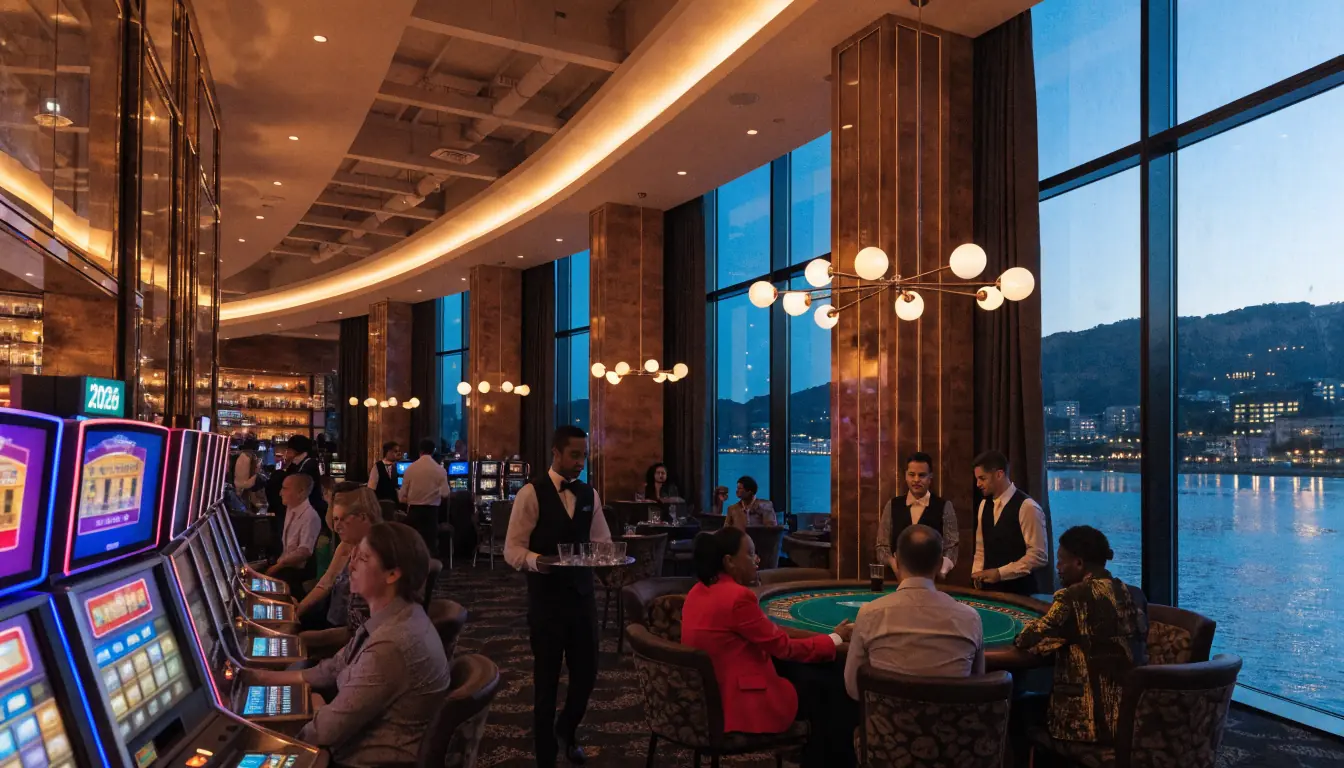
Sydney’s CBD and the harbourside precincts around it are dense with options that have nothing to do with any casino operator. Chain hotels, boutique properties, and a growing stack of short-stay apartments sit within easy reach of the main gaming venues, and none of them come with a "resort fee" dressed up as a convenience charge. That phrase gets used loosely in the accommodation trade — a "resort fee" — and what it actually covers varies so much between properties that I’d rather book somewhere that just prices the room honestly.
What’s actually nearby
Short-stay apartments are the category worth paying attention to. They’re run by independent operators or apartment-hotel brands, not by the casino groups, and pricing tends to track normal hotel demand rather than gaming calendars. For a longer stay, or if you’re travelling with people who aren’t there for the tables, an apartment with a kitchen and separate living space is a different proposition entirely from a casino tower room.
Standard hotel chains — the kind with a global loyalty programme attached — cluster around the CBD and The Rocks, both a short trip from the harbour-side gaming precinct. Booking through a loyalty programme here can beat whatever a casino’s own room rate is, especially if points or status nights are in play. That’s not something the casino hotel section will tell you, because it’s not in their interest to.
Why the split matters
Staying outside the complex means:
- No proximity pricing. Casino hotel rooms are priced partly on convenience; walk-up apartments and independent hotels are priced on the general market.
- More control over the night. Leaving the building to get to your room is a small, deliberate friction — some people use it that way on purpose.
- Wider choice of amenities. Kitchens, laundry, longer-stay discounts — things a gaming-floor hotel isn’t built around.
The trade-off is obvious too: you lose the lift-straight-down convenience, and depending on where you book, you may be relying on a taxi or rideshare late at night rather than an internal corridor.
A regulatory footnote worth knowing
None of this accommodation choice touches how gambling itself is regulated in Australia, and it’s worth being clear that there isn’t one clean answer to "who regulates it." There’s no single national gambling authority — oversight is split between state and territory bodies and federal law. The Australian Communications and Media Authority enforces the Interactive Gambling Act 2001 at the federal level, while the Northern Territory Racing Commission has become, in practice, the licensing body most national online bookmakers work under, largely because of the tax arrangement there. None of that changes where you can book a room, but it’s the kind of background detail that explains why "the casino industry" in Australia isn’t one tidy, single-licensed thing — it’s a patchwork, and the accommodation around it reflects that too. Gambling taxation has historically made up a meaningful slice of state revenue, which is part of why states guard their own rules rather than deferring to a single federal regime.
Choosing an independent hotel or apartment gives you more control over price and amenities, and it adds a natural break that can help moderate gambling activity.
Book based on what the room is actually for. If it’s sleep and a shower before flying out, location near transport wins. If it’s a weekend built around the tables, the walk-down convenience of a casino hotel earns its premium.
Contact Channels, Services and On‑Site Amenities
Getting hold of someone at a casino property in Sydney is usually simpler than working out which of the several help desks you actually need. There’s a general enquiries line for bookings and floor questions, a separate contact point for the loyalty or membership program, and — if you’re chasing something involving money — a cage or cashier desk that handles disputes in person, which tends to be faster than any phone queue. None of this touches the gambling floor itself; it’s the plumbing behind it.
Baccarat and craps sit apart from the general table games most visitors gravitate toward first. Baccarat tables at Sydney casinos typically run in a separate area or salon, sometimes with a higher minimum stake and a quieter atmosphere than the main floor — it’s built for players who already know the rules rather than for walk-up tourists. Craps is less common on Australian floors generally; where it exists, it’s usually a small footprint compared to blackjack or roulette. Neither game overlaps with the poker room setup covered elsewhere — different pit, different staff, different rhythm.

Bars and lounges
The bar network inside a casino complex isn’t an afterthought bolted onto the gaming floor — it’s usually zoned deliberately. Sports bars near betting lounges, quieter cocktail bars adjacent to the high-limit rooms, and casual counters scattered through the main floor for people who don’t want to leave their machine to get a drink. The "premium lounge" language on casino signage sounds exclusive; in practice it usually just means table service and a slightly better wine list, not anything gated behind spend thresholds you’d notice as a casual visitor.
Entertainment and events
Sydney’s larger casino properties run concert and event calendars alongside the gaming floor — theatres or function spaces booked separately from table and machine areas. These get marketed hard because they pull in people who’d never otherwise walk past a pokies bank. Worth checking event listings directly on the property’s own site before a visit, since schedules shift and this isn’t something a general casino guide can track reliably.
Escalation
If a dispute isn’t resolved by floor staff, the next step is to contact the duty manager or submit a written complaint through the casino’s formal channel.
Reaching support that actually resolves something
A phone number gets you to a switchboard. What actually resolves a complaint — about a disputed hand, a comped room, a loyalty tier — is usually the duty manager on the floor or a written complaint through the property’s formal channel, not the first person who picks up. That’s not cynicism, it’s just how escalation works in any large hospitality operation: front-line staff can smooth things over, but they rarely have authority to overturn a ruling.
None of this changes because the operator underneath is licensed for on-premises gaming under state rules rather than anything to do with online betting — the Interactive Gambling Act 2001, which governs internet gambling federally, has no bearing on how a bricks-and-mortar casino floor in Sydney runs its bar service or baccarat pit. Physical casinos and online casino products sit under entirely separate regulatory regimes in Australia, and it’s worth not conflating the two when reading anything about "licensing" in a casino context — the term means different things depending on which side of the screen you’re standing on.
Practical amenities — car parks, transport links, accessibility — get their own treatment next, since they’re logistics rather than services you interact with once you’re inside.
Operational Hours, Licensing and Legal Status of Sydney Casinos
A physical casino floor and an online casino operate under two completely different legal regimes, and conflating them is where most confusion starts. It’s worth being blunt about that before anything else.
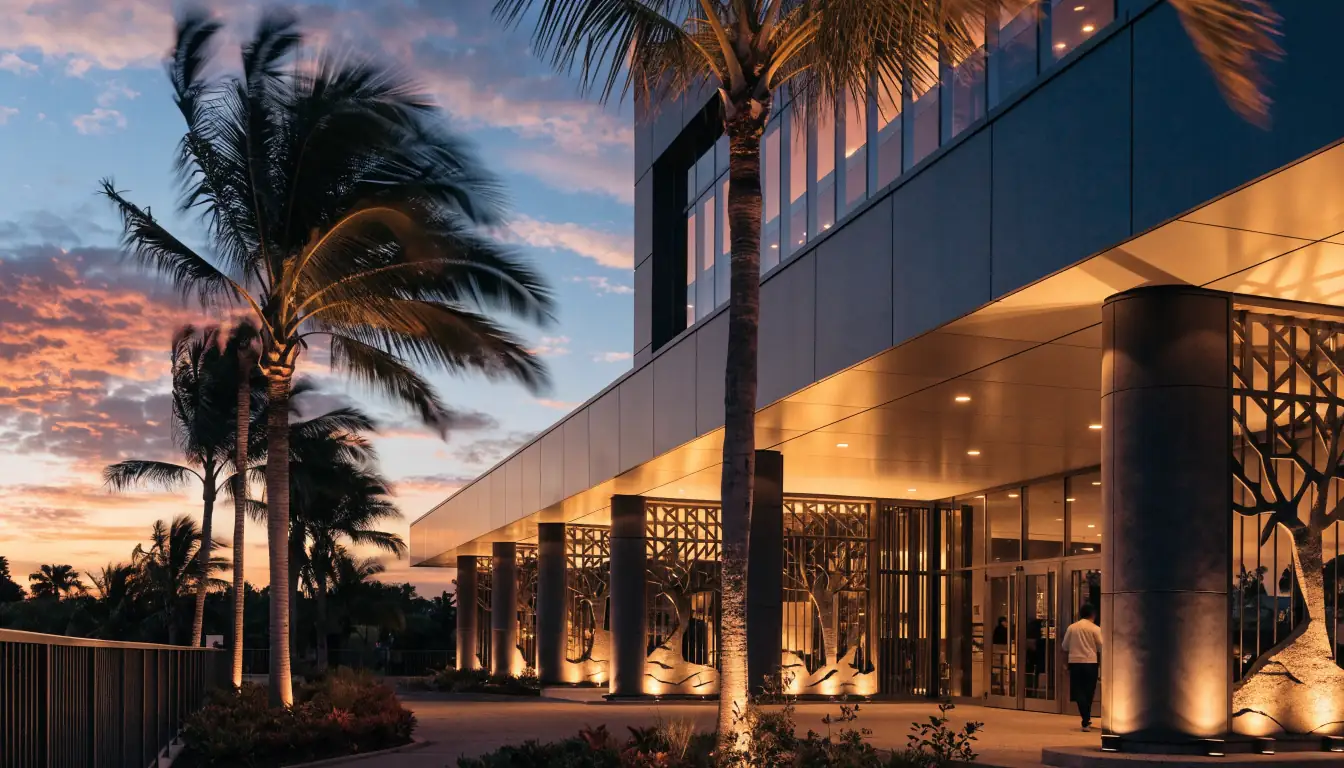
The Sydney venues themselves run under a state gaming licence issued through the NSW framework, and their trading hours follow a rhythm set by that licence rather than by whatever a marketing calendar suggests. Floors run long, near around-the-clock in the main gaming areas, with specific zones — poker rooms, VIP areas — sometimes keeping tighter hours than the general floor. None of that touches the question people actually search for when they type "reopen" or "reopening": a physical property closing for renovation or a public health event is a licensing and operations matter for that single venue, handled by NSW regulators, not a reflection of any wider legal shift.
Where it gets genuinely murky is online. The Interactive Gambling Act 1997 is the piece of federal legislation usually cited as prohibiting the provision of online casino games to Australian residents — though it’s worth flagging plainly that sources aren’t consistent here, and the same prohibition is also attributed to the Interactive Gambling Act 2001. I’ve seen both dates used interchangeably in industry writeups, sometimes in the same document, and I won’t pretend one is obviously correct and the other a typo. What both versions agree on is the substance: providing online casino-style gambling to people in Australia is prohibited under federal law, full stop.
What that law does not do is criminalise the player. The prohibition targets operators — the entities offering the games — not the individual sitting at home placing a bet with an offshore-licensed site. That distinction gets lost constantly in casual conversation, usually phrased as "online casinos are illegal in Australia," which is only half true and misleading as a whole.
Sports betting sits in its own lane entirely. Online sports betting is legal in Australia, licensed at state and territory level, which is why odds comparison sites and betting apps can advertise openly in a way no online casino operator legally can. Casino games, poker, and in-play betting are the three categories carved out and prohibited federally — a narrower list than people assume, and one that doesn’t touch the licensed, physical premises in Sydney at all.
Legal warning
Providing online casino games to Australian residents is prohibited under the Interactive Gambling Act 2001; only online sports betting is permitted.
For anyone researching casino employment, development plans, or venue-level licensing detail, that information sits with the NSW gaming authority and the operator directly — it’s operational and commercial, not something covered by federal online gambling law. The two tracks, physical licensing in Sydney and federal restriction on online offerings, don’t overlap, and treating them as one story is where most of the "is it legal" confusion online actually comes from.
Wellness and Spa Facilities Within Casino Complexes
A casino floor runs on adrenaline. A spa two levels up runs on the opposite principle, and Sydney’s larger complexes have worked out that guests need both under one roof rather than a taxi ride between them.
The day spa attached to a casino resort is usually built for a specific kind of visitor: someone staying over, playing across two or three sessions, and wanting a reset in between rather than a full retreat holiday. That means treatment menus lean toward massage, facials and shorter body treatments rather than multi-day wellness programs. Booking one is straightforward through the hotel’s guest services desk, and staying on-site means the spa is a lift ride away instead of a separate appointment across town.

What a casino spa is not is a gym with a pool attached. The wellness floor tends to include treatment rooms, a relaxation lounge, sometimes a sauna or steam facility, and staff who work independently of the gaming operation entirely — different rostering, different management line, different dress code for staff. It’s worth mentioning here because it’s a common point of confusion: asking at a gaming table about spa bookings gets you redirected, since the two operations barely intersect beyond sharing a building.
Access and etiquette
A few practical points patrons ask about most often:
- Dress code — spa areas have their own robe-and-slipper standard that has nothing to do with the smart-casual rules enforced on the gaming floor. You won’t be turned away from a massage for what you’d have been turned away from at a blackjack table.
- Age — spa access isn’t tied to the 18-plus gaming age restriction in the same rigid way, though most casino-resort spas set their own minimum age, typically aligned with adult-only positioning.
- Payment — spa charges are usually billed to the room or settled directly at the spa desk, separate from any gaming account or chip cage transaction.
Why it sits inside a gaming complex at all
The commercial logic isn’t complicated: a guest who’s booked a massage for 2pm has a reason to stay on-site rather than wander off for the afternoon, and a guest coming off a long session at the tables has somewhere to go that isn’t the bar or the room. Neither of those is a gambling product, and nothing about a spa booking touches on gaming licensing or wagering rules — it’s a hospitality service that happens to share an address with one.
None of this extends to anything resembling online play. Sydney’s spas exist entirely within licensed, physical premises, and nothing about booking a massage or a facial has any bearing on what is or isn’t legal to access on a screen — that’s a separate question altogether, governed by separate law.
Restaurant Selections Inside Sydney Casinos
Walk past the pokies floor and the poker room, and Sydney’s casino properties open into something closer to a proper night out. Full-service restaurants here operate on their own bookings, their own dress expectations, their own kitchen hours — separate entirely from the buffet lines and the grab-a-plate breakfast service. This is the part of the building built for a table, a wine list and a menu you order from rather than assemble yourself.
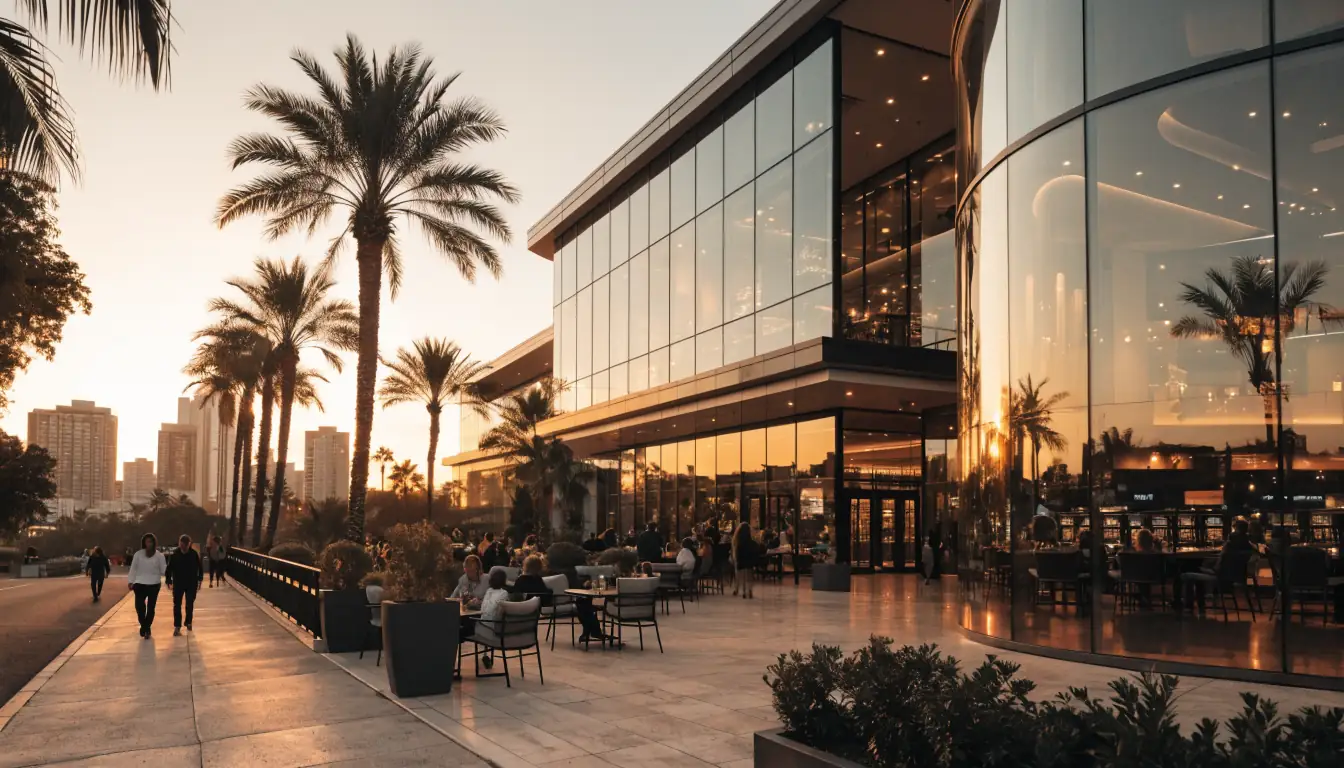
Cuisine ranges wide: steakhouse rooms with dry-aged cuts and an open grill you can watch from the bar, Cantonese and broader Asian fine-dining rooms doing banquet-style service for groups, modern Australian menus leaning on native ingredients, and at least one address doing rooftop dining where the view does as much work as the food. The "fine dining" label gets used loosely across the industry — worth knowing that here it generally does mean a proper degustation option, a sommelier on the floor, and pricing to match, not just linen tablecloths over a standard menu.
Ambience is the actual differentiator from the food court downstairs. Lighting is dropped, tables are spaced for conversation, and service is paced — courses arrive when the kitchen decides, not when you’re ready to get back to the tables. That trade-off matters if you’re planning an evening around both dinner and play: a long tasting menu will eat into your session time in a way a quick buffet plate won’t.
What to expect walking in
- Reservations — the higher-end rooms take bookings, and weekend nights fill without much notice.
- Dress codes — smart-casual minimum in most full-service rooms, stricter in the flagship steakhouse and fine-dining venues.
- Rooftop and view seating — limited tables, usually the first to book out, and often tied to the property’s late-night bar service rather than the main gaming floor.
- Age requirement — venues serving alcohol on-site apply the same 18-plus rule as the gaming floor itself.
None of this is where the casino makes its real margin, and it shows in how these rooms are run — less about turning tables, more about the experience justifying the bill. It’s worth remembering that any winnings carried from the floor into dinner aren’t taxed under Australian law, for whatever comfort that’s worth against a wine list priced like one.
One thing these restaurants don’t touch: the weekly recalculation of how a casino or its online offer ranks on comparison sites like this one, weighted on bonus terms, payout reliability, game range, support and player feedback. A great steak has never moved that number, and it shouldn’t.
Food Courts and Pool Areas: Casual Gaming Environments
Not everyone wants a tasting menu between hands of blackjack. The food court exists for the other crowd — the one that wants a plate in ten minutes and doesn’t care whose name is on the kitchen. Quick-service counters, grab-and-go options, somewhere to sit that isn’t a linen-covered table. It’s the same building, different pace.

Pool areas run on a similar logic but for a different hour of the day. Sydney’s climate makes a poolside setup a real amenity rather than a decorative one — sunbeds, drink service, a screen somewhere showing racing or a match. It’s less "casino floor" and more the pause before you go back to it, which is presumably the point.
Neither space tries to compete with the restaurants or buffets covered elsewhere on the property. They’re not trying to impress anyone. That’s the tell that they’re built for locals and repeat visitors rather than the once-a-year crowd who wants the full experience photographed.
One thing carries over from every other part of these complexes: age checks apply everywhere gaming is visible, poolside bar included, not just at the tables. Eighteen is the line, and staff working these casual zones enforce it the same as anywhere on the floor — no separate rules just because the setting feels relaxed.
Worth remembering: the casual layer of a casino is still part of the same commercial machine as the tables. It’s just the version with fewer expectations attached.
What are the best online casinos in Australia for 2026?
No, there are no domestically licensed real-money online casino operators available to Australian players — online casino games like slots, blackjack and roulette are prohibited under the Interactive Gambling Act 2001. It is not illegal for individual Australians to play at offshore-licensed casinos, since the law targets operators rather than players, but no domestic ‘best’ option legally exists.
Are crypto casinos legal in Australia in 2026?
No, online casino gambling of any kind — including crypto casinos — cannot be licensed in Australia, and offering it is illegal under the Interactive Gambling Act 2001. However, the law targets operators, not players, so an individual Australian using an offshore-licensed crypto casino is not breaking the law themselves.
How can I verify if a gambling operator is legal?
Check whether the operator holds a state or territory licence — online sports betting is legal in Australia under these licences, with the Northern Territory Racing Commission licensing most national online bookmakers. The Australian Communications and Media Authority (ACMA) enforces the Interactive Gambling Act 2001, so an operator offering online casino games, poker or in-play betting to Australians is not operating legally, since no domestic online casino licence can be obtained.
Created by the ”Casino Security Info” editorial team.