
Best Casino in Queensland: Hotels, Gaming and Dining Guide
Table of Contents
- Casino Hotels in Queensland
- Gaming & Poker Facilities at Queensland Casinos
- Dining Options: Buffets and Breakfast at Queensland Casinos
- Parking, Accessibility and On‑Site Services
- Accommodation Choices Near Queensland Casinos
- Contact Points: Bars, Baccarat, Concerts and Other Services
- Casino Operations: Opening Hours, Development and Employment
- Wellness and Spa Services at Queensland Casinos
- Restaurant Offerings and Culinary Experiences
- Food Courts and Poolside Dining
Casino Hotels in Queensland
Booking a room attached to a Queensland casino floor is a different proposition to booking a hotel that happens to be nearby. The elevator ride matters. Ground-floor gaming means the walk from checkout to a poker machine can take under a minute, and properties know this — it shapes everything from the room key design to what’s stocked in the minibar.
I’ve stayed in both categories, and the on-site option sells itself on convenience rather than price. You’re paying for proximity to the tables, the all-hours restaurant access, and a level of "VIP" service that, on closer inspection, usually means a dedicated check-in desk and maybe a room upgrade tied to how much you’ve historically wagered. Loyalty tiers at these properties often blur into the same rewards programs that track gaming activity, so the room rate you’re quoted can move depending on your player card, not just the season.
What "on-site" actually includes
Queensland’s casino hotels tend to fall into a few consistent tiers:
- Tower rooms directly above the gaming floor — standard hotel rooms with soundproofing that varies more than brochures suggest. Ask about floor level if noise from below matters to you.
- Suites marketed toward high rollers — larger footprints, separate lounge areas, sometimes a dedicated host contact. These are priced and allocated with an eye on player value, not just square metreage.
- Standard-grade rooms sold to the general travelling public — functionally hotel rooms first, casino proximity second. They’re often the best value if you don’t plan to spend much time on the floor anyway.
Since Queensland players can access a wide range of offshore-licensed online casinos, it helps to see at a glance what each site actually offers before deciding where to play in 2026.
License: Curacao · Bonus: up to A$2,000 Licensed in Curacao, this casino offers a welcome bonus of up to A$2,000 for new players looking for a solid starting boost.
Bonus: 100% up to A$750 + 200 free spins, 35x wagering · Payout speed: crypto 30-120 minutes, fiat 24-72 hours · Min. deposit: A$30 Offers a matched bonus up to A$750 plus 200 free spins with 35x wagering, and stands out for fast payouts, with crypto withdrawals processed in as little as 30-120 minutes and fiat within 24-72 hours; a low A$30 minimum deposit keeps entry accessible.
License: Curacao eGaming (Roby Games Ltd) · Bonus: 100% up to A$750 + 200 free spins Operated by Roby Games Ltd under a Curacao eGaming licence, it welcomes new players with a 100% bonus up to A$750 plus 200 free spins.
License: Curacao Gaming Control Board · Bonus: up to A$5,000 + 400 free spins Holding a Curacao Gaming Control Board licence, this casino attracts new players with a generous welcome package of up to A$5,000 plus 400 free spins.
License: Curacao Gaming Authority (Jumpman Gaming Ltd) · Bonus: up to A$6,600 + up to 250 free spins across 4 deposits Licensed under the Curacao Gaming Authority and run by Jumpman Gaming Ltd, it spreads a substantial bonus of up to A$6,600 plus up to 250 free spins across four deposits, rewarding players who fund their account multiple times.
License: Curacao eGaming OGL/2023/174/0082 (Dama N.V.) · Bonus: up to A$10,000 + 500 free spins across 4 deposits · Min. deposit: A$15 Operated by Dama N.V. under a Curacao eGaming licence, it offers one of the larger welcome packages here — up to A$10,000 plus 500 free spins spread over four deposits — with a low A$15 minimum deposit making it easy to get started.
License: Curacao, operated by Dama N.V. · Bonus: 325% up to 5.25 BTC + 250 free spins across 4 deposits Also run by Dama N.V. under a Curacao licence, this crypto-friendly casino offers a sizeable 325% bonus up to 5.25 BTC plus 250 free spins across four deposits.
License: Curacao Gaming Control Board OGL/2023/176/0095 (Hollycorn N.V.) · Bonus: up to A$11,000 + 300 free spins (code NEO100) Licensed by the Curacao Gaming Control Board and operated by Hollycorn N.V., it offers a large welcome bonus of up to A$11,000 plus 300 free spins, redeemable with the code NEO100.
License: Curacao Gaming Control Board OGL/2023/176/0095 (Hollycorn N.V.) · Bonus: up to A$5,000 + 300 free spins across 4 deposits Also under Hollycorn N.V.’s Curacao Gaming Control Board licence, it offers up to A$5,000 plus 300 free spins spread across four deposits.
License: Curacao (operating since 2017) · Bonus: 250% up to A$2,000 + 50 free spins on the first of six deposits · Min. deposit: A$20 Curacao-licensed and operating since 2017, it offers a 250% bonus up to A$2,000 plus 50 free spins on the first of six deposits, with a A$20 minimum deposit for newcomers.
None of this is disclosed clearly upfront. You find out where you sit in the hierarchy at check-in, when the desk either does or doesn’t mention a "complimentary" upgrade.
Amenities worth checking before booking
On-site amenities typically bundle pool access, a fitness area, and direct internal access to the casino’s dining precinct — though the specific restaurants and buffet arrangements are worth checking separately rather than assuming every casino hotel includes them by default. What varies more than people expect is the small print around resort fees and what counts as "included" versus billed separately at checkout. I’ve been caught by a parking charge that wasn’t obvious until the final invoice, which is a good reminder to ask directly rather than rely on the room-rate figure alone.
Room quality itself is generally solid — these are properties competing for the same corporate and tourism traffic as any four- or five-star hotel, and the gaming revenue behind them means renovation cycles tend to be shorter than at a standalone hotel running on room revenue alone. That’s a real advantage: carpets, bathrooms, and technology in-room are less likely to feel dated.
A note on why this matters
Gambling in Australia isn’t a niche activity tucked away from mainstream life — recent figures put the share of adults who’d gambled in the past year above seven in ten, with a meaningful proportion betting weekly. Casino hotels are built around that reality. The room design, the loyalty program, the 24-hour front desk — all of it assumes a guest who might be moving between the room and the floor multiple times during a stay, not someone treating the casino as scenery.
That’s worth sitting with for a moment. Most guests are fine. A small share of the population — estimates put it under two percent of adults — experience gambling that becomes genuinely difficult to control, and a hotel built to keep you five floors above the tables isn’t designed to notice the difference between the two. It doesn’t have to be.
Booking one of these rooms is a reasonable choice if location and convenience are what you’re paying for. It stops being a purely practical decision the moment "just going down for an hour" turns into a pattern you didn’t plan for.
Worth knowing before you call to book:
- Room rates shift with player-loyalty tier, not just season or demand
- “Complimentary” upgrades are usually tied to tracked gaming spend, not goodwill
- Resort fees and parking are frequently billed separately from the quoted room rate
- Renovation cycles tend to be faster than at non-casino hotels, which shows in room condition
If support is ever needed around gambling behaviour rather than accommodation, GamblingHelpOnline.org.au and the national line on 1800 858 858 operate independently of any casino property.
Gaming & Poker Facilities at Queensland Casinos
A poker room tells you more about a casino’s priorities than any brochure. Floor space given to felt-and-cards tables, instead of another bank of pokies, is floor space that earns less per square metre on a bad night and more loyalty over a year. Queensland’s larger venues have made that trade deliberately, and the difference shows once you walk past the main gaming floor into the dedicated card rooms.
The layout is usually the same logic wherever you go: cash games running most of the day, with tournament series layered on top during peak weeks. Staff will tell you, if you ask directly, which sessions are quiet enough for a first-timer to sit without feeling watched — that’s not printed on any sign, but it’s the kind of thing pit staff know and casual visitors don’t.
Gambling can lead to financial loss and addiction; be aware of personal limits.
What’s actually on the felt
Standard cash game formats — Texas Hold’em predominantly, with Omaha appearing on rotation at bigger venues — sit alongside scheduled tournament blocks. Tournament structures vary by casino and by season, buy-ins and starting stacks are set per event rather than fixed year-round, so any specific number quoted months in advance is a guess dressed up as a fact. What stays constant is the format: multi-table events feeding down to a final table, run on a published schedule that the venue controls and can change without much notice.
One thing worth knowing before sitting down: gambling winnings, poker included, are not taxed in Australia. Whatever you walk away with is yours in full — a rare piece of good news in a system that otherwise takes its cut long before the felt.
Sports bar and gaming zone crossover
Most Queensland casino floors are built with a sports bar wired directly into, or immediately adjacent to, the main gaming zone. It’s not there for décor. The idea is to keep a punter in the building between a race and the next hand — screens overhead, a stool at the bar, poker tables a short walk away. It works because it’s designed to work, and there’s no point pretending otherwise. The sports bar itself is covered properly elsewhere on this page; what matters here is that it sits inside the same gaming footprint as the poker and table sections, not off in a separate wing.

Reading the age numbers honestly
It’s worth putting a hard number next to a soft assumption. Close to a third of 12–17-year-olds in Australia are reported to gamble in some form, and the figure climbs to nearly half among 18–19-year-olds — right at the point where legal access opens up. Poker rooms don’t run junior tables and never will, entry is checked at eighteen, full stop. But the jump in those numbers the moment the legal age is crossed says something about how quickly interest converts to participation once the door is open. Venues know this. It’s part of why ID checks at the poker room entrance tend to be more consistent than at a slot machine three metres away.
How these venues get ranked
When a poker room gets mentioned in a ranking article, it’s rarely the deciding factor — bonus generosity carries the largest weight in most published scoring models, at 30%, ahead of payout reliability at 25% and game library breadth at 20%. Customer support responsiveness and user feedback fill the remainder. A strong tournament calendar can lift a venue’s game library score, but it won’t outweigh a slow payout desk. Worth remembering when a "top poker room" claim shows up online without saying what it’s actually measuring.
Illegal Online Casino
Offering real‑money slots or tables to Australian players online is illegal and breaches the Interactive Gambling Act.
Gambling tax more broadly isn’t trivial to the state either — gambling revenue made up 7.7% of state and territory taxation in 2015–16, a reminder that these rooms aren’t run as a community service. Every table, every scheduled tournament, sits inside a business built to keep people at it.
Anyone weighing up a session should treat the schedule board at the entrance as the only reliable source — not a listing found weeks earlier, not a friend’s memory of last season’s series. Boards change. Buy-ins change. The room itself, and what it’s built to do, doesn’t.
Dining Options: Buffets and Breakfast at Queensland Casinos
Buffets get sold as an experience. Walk the floor and it’s "world-class," "award-winning," a "culinary journey." Strip that away and a buffet is a logistics problem: keep forty dishes hot, fresh and replenished for six hours straight without the queue backing up past the dessert station. Queensland’s casino buffets solve that problem with reasonable consistency, which is really all anyone should be promising.

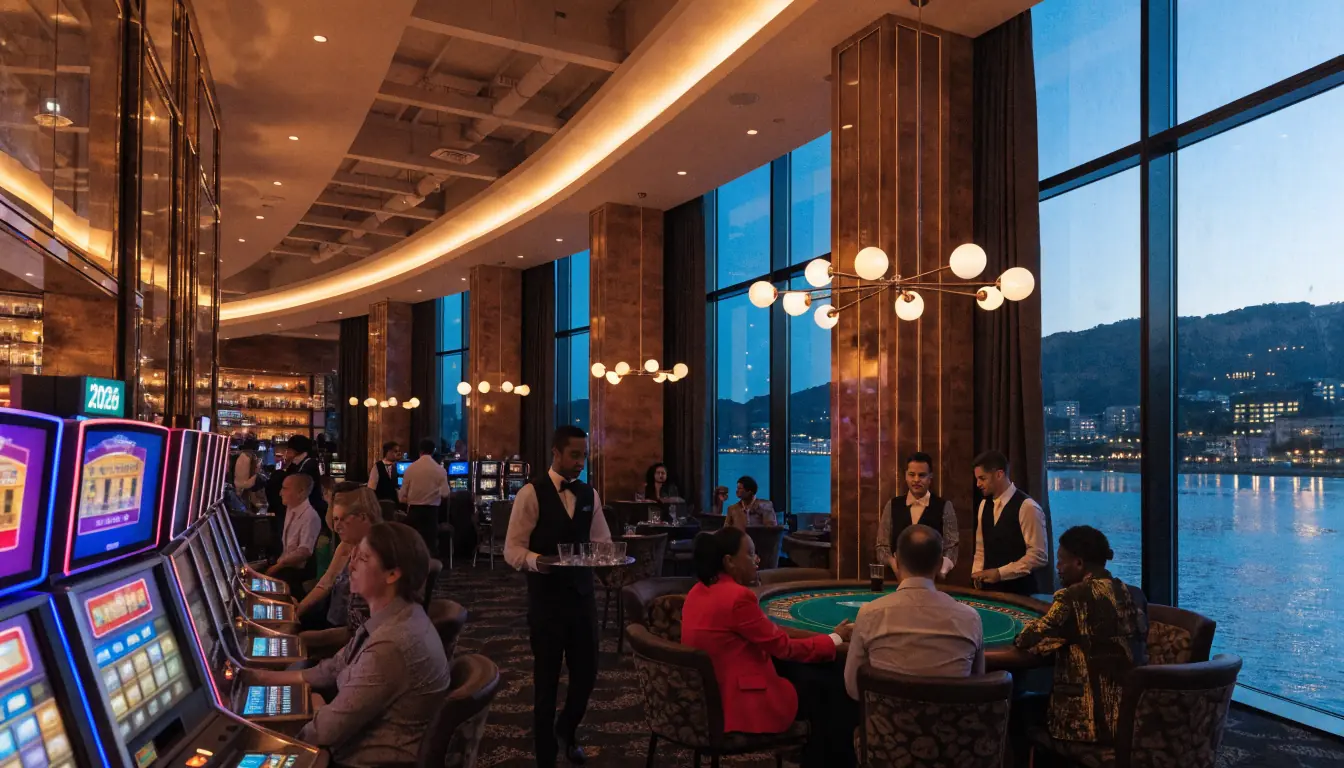
The morning sitting is where the value case is clearest. Casino breakfast buffets in Queensland tend to run earlier and longer than a standalone restaurant would bother with, because the property wants guests fed and back on the floor — gaming, spa, pool, whatever — rather than lingering over a slow à la carte order. That’s not cynicism, just the arithmetic of a resort that makes money on throughput. The upside for the guest is a spread that covers the basics properly: hot items, pastries, made-to-order eggs at the better properties, fruit and cereal stations for anyone eating light before a long day. It won’t be the most interesting meal of the trip. It will be the most efficient one.
What varies, what doesn’t
Across the venues, the format is nearly identical — stations arranged by cuisine, a carving point, a dessert corner, tea and coffee self-serve. Where properties actually differentiate is:
- Reward-linked pricing. Loyalty tiers commonly unlock discounted or complimentary buffet access, which is the single biggest lever on total cost if you’re staying more than a night or two.
- Seating turnover policy. Some rooms run strict time slots at peak periods; others let you sit as long as you like once you’re in.
- Dinner theming. A handful of properties rotate the evening buffet around a cuisine focus on certain nights, which is worth checking before assuming the daytime spread carries over unchanged.
None of that is dramatic, but it’s the difference between a buffet that’s worth booking ahead for and one that’s a fallback option when the table restaurants are full.
Reward programmes and the buffet line
The loyalty card matters more at the buffet than almost anywhere else on the property. Comped meals, tier-based discounts and the occasional free breakfast voucher are standard mechanics across Queensland casino resorts, and they’re usually the fastest way a points balance turns into something you can actually eat. The catch, and it’s a small one, is that these perks are rarely advertised at the buffet entrance — you find out what your tier gets you by asking, not by reading a sign. Worth asking.
A note on what this isn’t
A buffet is not a bet, and a breakfast card is not a gaming account — but it’s worth being precise about where the line sits, because the two get blurred in marketing more than they should. Reward points earned through dining or accommodation spend at a physical Queensland casino are a loyalty mechanic tied to a licensed bricks-and-mortar venue. They have nothing to do with online casino play. Under the Interactive Gambling Act, online casino games — slots, blackjack, roulette, poker — can’t legally be offered to Australians by any operator, and that’s the case regardless of what a property’s loyalty programme calls its points or tiers. Some sources cite this as the Interactive Gambling Act 1997, others as the 2001 Act; the naming isn’t consistent across references, but the substance — no domestic online casino offer — isn’t in dispute.
Buffet meals are a hospitality service, not a form of gambling, and points earned there are separate from any gaming loyalty credits.
So the buffet card in your wallet is exactly what it looks like: a discount on eggs and a chance at a free dinner. Nothing more, nothing riskier. That’s a rare thing on a casino floor — a benefit that means precisely what it says.
Parking, Accessibility and On‑Site Services
Parking is one of those things nobody mentions in the brochure and everybody asks about at the door. Queensland’s casino properties generally run multi‑level structures attached to the main building, with a short covered walk into the gaming floor. Whether it’s free depends entirely on the property and how long the car sits there — a couple of hours browsing the floor is treated differently from an overnight stay tied to a hotel booking. If a specific venue’s parking situation matters to a trip, that’s a call to make before arriving, not something to assume based on a sister property in another state.
Valet service exists at the larger complexes, aimed mostly at hotel guests and people booked into premium gaming rooms. It’s the kind of "complimentary" that isn’t actually complimentary — it’s bundled into a room rate or a loyalty tier somewhere upstream. Worth knowing before someone hands over the keys expecting it’s free because a sign said so.
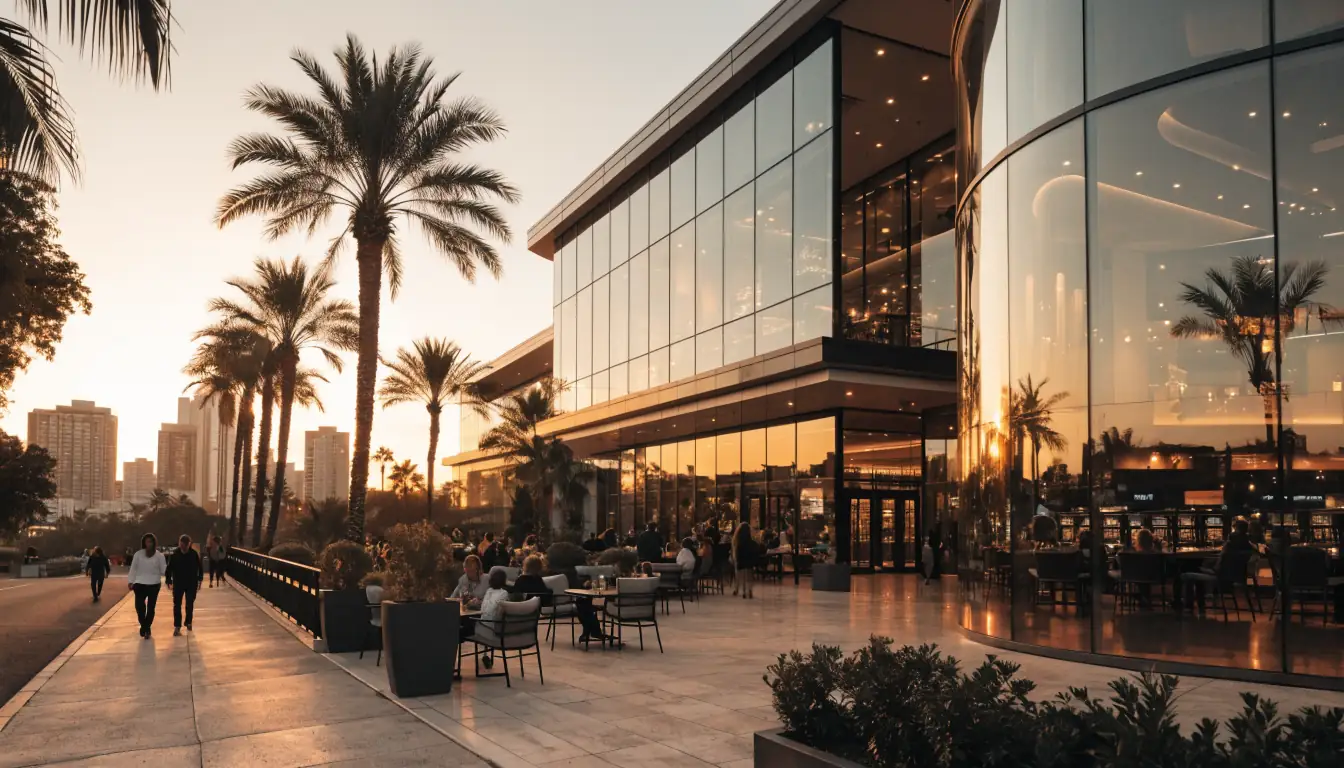
Vehicle access itself is straightforward: these are large sites built for volume, with drop‑off zones near the main entrance and disability parking closer to the door than general parking gets. Ramps, lifts and accessible restrooms are standard in properties of this size — regulatory expectation as much as hospitality one. None of that is a competitive advantage worth dwelling on; it’s baseline, and any casino operating at this scale that lacked it would be the exception, not the rule.
Bingo and other on‑floor extras
Bingo sessions turn up at some Queensland casinos as a low‑stakes, social alternative to the main gaming floor — usually scheduled, usually separate from the high‑turnover areas. It’s not the headline act anywhere, but it fills a niche for visitors who want something slower‑paced than the pokies or table games.
The online casino question
This comes up constantly, and the honest answer disappoints people expecting a shortcut: there is no legal way to offer real‑money online casino games — slots, roulette, live dealer tables — to anyone living in Australia. The Interactive Gambling Act 2001 makes that a federal matter, and no domestic operator holds, or can hold, a licence to run one. That’s not a grey area or a technicality — it’s the law as it stands.
Offshore Sites
Playing on offshore‑licensed online casinos is not illegal for players, but those operators are not regulated by Australian consumer law.
What does exist legally is online sports betting, licensed at state and territory level, which is why Australians can bet on a match from their phone but can’t legally spin a pokie on the same device through a local operator. It’s an odd split until you understand the history: sports betting got its licensing framework, online casino games didn’t.
The other detail people don’t expect: playing on an offshore‑licensed online casino site isn’t illegal for the individual. The Act targets operators offering the service, not the person clicking play. That distinction matters, but it doesn’t turn an offshore site into something regulated or protected by Australian consumer law — it just means the enforcement risk sits with whoever’s running the platform, not the player at home.
So when a Queensland casino’s own website mentions "online" anything, it’s almost always referring to hotel bookings, restaurant reservations, or loyalty account management — not a digital gaming floor. Nobody’s site is quietly offering slots through a browser. If it were, it wouldn’t be legal, and that’s not a detail an operator would bury in fine print — it’s the kind of thing that ends licences.
Complimentary services worth checking directly with the venue: cloakroom, ATM access, and loyalty‑card lounges. None of them are consistent enough across properties to generalise about, and guessing wrong on arrival day wastes time nobody gets back.
Accommodation Choices Near Queensland Casinos
Not everyone who visits a Queensland casino wants to sleep above it. The on-site tower has its appeal — lift straight down to the floor, no walk in the humidity — but it also carries a premium that doesn’t suit every trip, and it books out fast around anything that draws a crowd. The alternative is the belt of hotels, apartments and short-stay rentals that sit within a few streets of the main gaming precincts, and that market works on entirely different rules.

A short-stay apartment near a casino precinct is usually run through a management company rather than a hotel brand. That means self-catering kitchens, no daily housekeeping unless you pay for it, and rates that drop noticeably if you book a week rather than a weekend. For a family or a group splitting a room, this is often the more sensible option — it separates the accommodation spend from the gaming budget entirely, which is not a small thing when the average Australian gambler stakes close to AUD 9,885 a year and loses around AUD 1,200 of that. Keeping the roof over your head as a fixed, predictable cost while the gaming spend stays flexible is a basic bit of trip discipline that on-site packages don’t always encourage, since the two get bundled into one bill.
What "deal packages" actually bundle
Marketing around casino-adjacent accommodation tends to advertise a "deal package" — a nightly rate paired with dining credit, parking, or a show ticket. Worth reading the fine print on two things:
- What’s actually discounted. Sometimes the room rate is standard and the “saving” is just the face value of a voucher you may not use.
- What triggers eligibility. Some packages require an account with the casino’s loyalty programme, which in turn requires being 18 or over — the same minimum age that applies to any casino offer in Australia, accommodation bundles included.
None of this touches online betting. It’s worth being clear that these accommodation and loyalty tie-ins are strictly a bricks-and-mortar retail matter — nothing about booking a hotel room near a Queensland casino has any bearing on the separate question of playing at an offshore online casino, which individual Australians aren’t prohibited from doing even though the operators themselves are targeted by law, not the players.
Choosing based on the trip, not the brochure
A weekend built around table games and a show favours proximity — walking distance beats a taxi fare every time gaming sessions run late. A longer stay built around a conference or a family holiday that happens to be near a casino favours the apartment model, where a kitchen and separate bedrooms matter more than turndown service. Business travellers tend to sit in between: a standard hotel close enough to walk, far enough to sleep without noise from a function room downstairs.
- Check parking fees before arrival.
- Ask about loyalty‑linked buffet discounts.
- Verify room upgrade criteria at check‑in.
- Assume parking is free.
- Assume upgrades are given without wagering.
- Book without confirming package eligibility.
Rate comparison across these three categories rarely favours one outright. On-site hotel rooms win on convenience, nearby independent hotels usually win on midweek pricing, and short-stay apartments win on total cost for groups of three or more. None of it is complicated once it’s laid out — it’s mostly a matter of matching room type to the shape of the trip, rather than defaulting to whichever booking link the casino’s own site puts in front of you first.
Contact Points: Bars, Baccarat, Concerts and Other Services
Ring a Queensland casino directly and the first thing you notice is how the call gets routed: one switchboard, then a maze of extensions for table games, function bookings, and the players’ club desk. There’s no single national hotline for casino queries the way there is for problem gambling support — each property runs its own number, its own booking system, its own way of confirming whether the baccarat pit is open before you drive in. Worth checking before you go rather than assuming.
Baccarat and table games contact
Baccarat tables don’t run continuously at every venue, and staffing on them shifts with demand — weeknights look different from Saturday. The practical move is calling the gaming floor extension, not the general line, since front-of-house staff often can’t confirm which pits are live at a given hour. Ask for the pit boss line directly if the switchboard can’t answer. Craps tables follow the same pattern: fewer venues run them full-time, so a call ahead saves a wasted trip.
Bars on the gaming floor
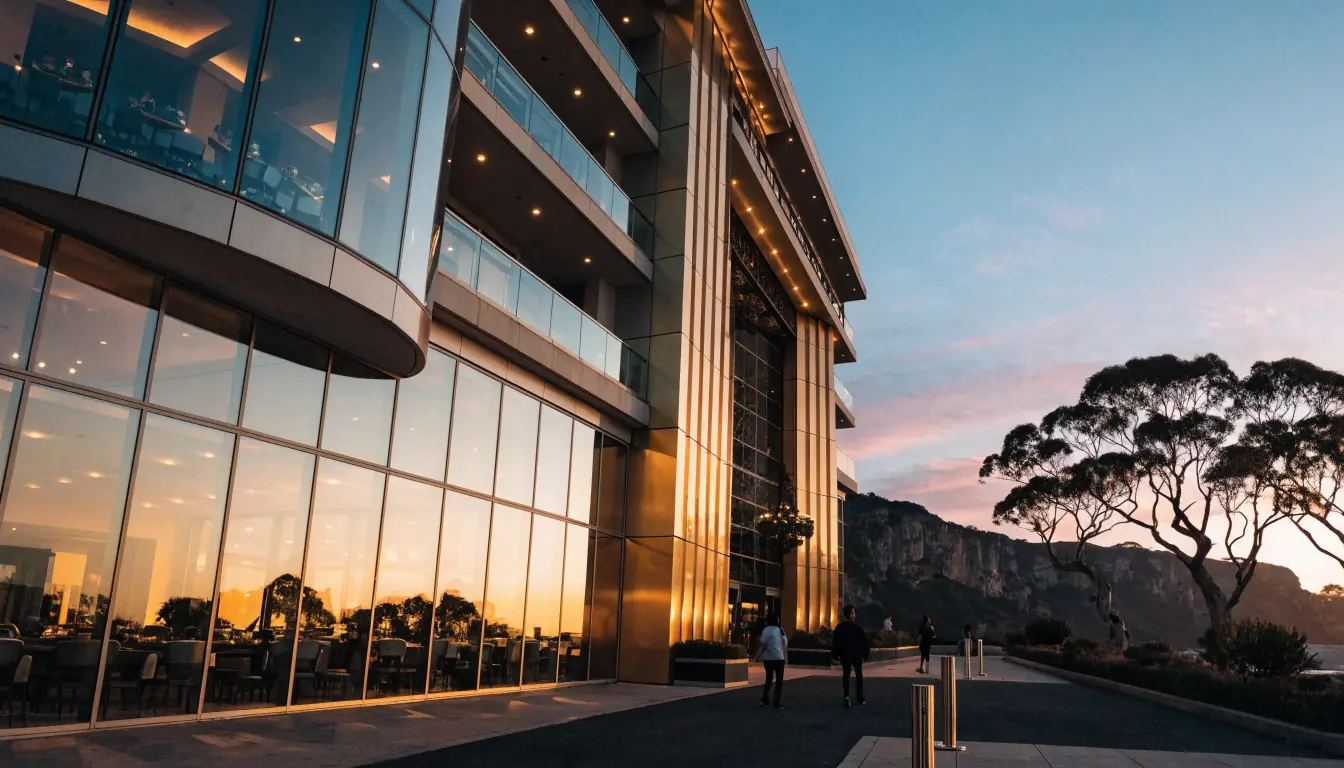
Bar placement inside a Queensland casino isn’t random — high-traffic bars sit near the main gaming pits, quieter ones near the high-limit rooms. Staff at the floor bars usually can’t tell you much beyond drink service; if you’re chasing a schedule for live music or a late license extension, that’s a different desk entirely, usually events or guest services.
Concerts and event venues
Casinos with attached function rooms or theatres book concerts and shows through a separate events line from the main casino number — sometimes even a separate email. This is the one area where I’ve seen guests get bounced between departments the most: the casino floor doesn’t handle ticketing, and the box office doesn’t know the gaming schedule. If a venue’s website advertises a "live entertainment calendar," treat that as the booking gateway, not the general enquiries line.
Car park and site map
Car-park entry points aren’t always where the front doors are, particularly at the larger integrated resorts where the gaming floor, hotel tower, and function centre share one basement structure but different street-level access. A printed or app-based site map helps more than memory here — floor levels for baccarat, table games, and the poker room (covered separately) don’t always align with the numbering on parking signage. Calling ahead to confirm which entrance lines up with valet or short-stay parking beats guessing on arrival.
Contact numbers per venue
Each Queensland casino operates its own telephone lines for general enquiries, gaming floor extensions, events, and valet services. To avoid being transferred between departments, locate the specific number for the service you need on the property’s website or by calling the main switchboard first.
Why there’s no single number to call
Australia doesn’t run gambling through one federal authority. Regulation sits with the states and territories, with the Australian Communications and Media Authority handling enforcement of the Interactive Gambling Act 2001 at the federal level, and the Northern Territory Racing Commission acting as the de facto licensor for most national online bookmakers because of its lower tax settings. None of that machinery touches how a Queensland casino answers its phones — that’s set by the venue, not the regulator. So "the contact number" for Queensland casinos doesn’t exist as a single thing; it’s a set of numbers per venue, per department.
One thing that doesn’t need a phone call: any winnings taken home from the baccarat table or the pokies floor aren’t taxed. That part of the system, at least, is consistent everywhere.
The rankings referenced elsewhere on this site are recalculated weekly, which is worth knowing if a contact detail or event listing looks slightly out of step with what a venue advertises — check current listings directly with the property before booking around them.
Casino Operations: Opening Hours, Development and Employment
Ask a floor manager when the casino closes and you’ll usually get a pause before the answer. Land-based venues in Queensland run on schedules set by the property itself, adjusted around major events, renovations and licensing conditions — there’s no single national rulebook dictating hours the way there is, say, for a bottle shop. That’s the first thing worth understanding about how these places actually operate: gambling regulation in Australia isn’t one system. It splits between state and territory bodies and a federal layer, and a casino floor answers to different authorities than an online betting product does.

The federal piece is narrower than people assume. The Australian Communications and Media Authority enforces the Interactive Gambling Act 2001, which deals with online gambling services — not the physical gaming floor, restaurants or hotel wing of a Queensland casino. Land-based operations sit under state-based gaming authorities instead. Meanwhile, a lot of the online betting activity Australians see advertised runs through operators licensed by the Northern Territory Racing Commission, which has become the de-facto home for national bookmakers thanks to its tax settings. None of that licensing structure touches how a physical casino sets its floor hours or staffs a shift — it’s a separate track entirely, and conflating the two is a common mistake in how people talk about "the casino industry" as if it were one thing.
Development and expansion
Queensland’s casino properties go through periodic redevelopment — new gaming floors, refreshed hotel towers, expanded event spaces. These projects get announced with timelines that shift, get approved through state planning and gaming commission processes, and often reshape which entrances, car parks or wings are accessible during construction. If a property is mid-renovation, expect some services to be temporarily relocated rather than closed outright. Checking directly with the venue before a visit beats relying on old photos or outdated maps.
Employment
Casinos are among the larger private employers in their regions, running everything from table games and cage operations to hospitality, security and hotel management. Roles range from entry-level food and beverage positions through to licensed gaming staff, who typically need to pass background checks tied to state gaming regulations before they’re allowed on the floor. Applications generally go through the property’s own careers page rather than general job boards, and turnover in hospitality roles tends to keep listings active year-round.
Loyalty tier
A level in a casino’s rewards programme that offers benefits such as room upgrades or discounted buffet access based on a guest’s cumulative betting spend.
The age line that doesn’t move
Whatever changes around opening hours, renovations or staffing, one rule stays fixed: the minimum age to access any casino offer — floor entry, promotions, loyalty programs — is 18. Venues check ID at the door, not just at the cashier. It’s not a formality dressed up as caution; it’s the baseline every other operational detail sits on top of.
Regulatory environment aside, the practical takeaway for anyone planning a visit is simple: hours, access and current developments are set at the property level, not a national one, so the venue’s own current notices — not general assumptions about "how casinos work" — are the ones that matter on the day.
Wellness and Spa Services at Queensland Casinos
A casino floor runs on adrenaline. The spa attached to it exists for the opposite reason — to give people somewhere to come down. That contrast is the whole business case for putting a day spa inside a gaming resort, and it’s worth understanding before booking one.
Queensland’s casino properties treat wellness as a retention tool as much as a service. A guest who spends the morning at the spa is a guest who’s still on-site come evening. That’s not cynicism, just how the economics work — I’ve sat in enough planning meetings where "dwell time" was the only metric that mattered.
What’s typically on offer
Treatment menus at these properties tend to follow a familiar structure:
- Massage therapy — remedial, relaxation, and couples formats, usually booked in blocks of time rather than à la carte.
- Facials and skin treatments — pitched at both pre-event grooming and general upkeep.
- Body treatments — wraps, scrubs, and hydrotherapy where the property has the plumbing for it.
- Wellness packages — bundled treatments sold alongside a room stay, sometimes marketed as a “retreat” day even when it’s a few hours in a treatment room.
The word "retreat" gets used loosely here. What it actually means, most of the time, is a spa credit attached to a hotel booking — worth checking what’s included before assuming it’s a standalone wellness itinerary.
Access and pricing
Spa facilities are generally open to hotel guests and walk-ins alike, though walk-in availability depends on how booked the treatment rooms are — weekends fill fast, and casino resorts tend to be busiest exactly when everyone else wants a massage too.
None of this connects to online gambling in any way, and it shouldn’t. Australians can place sports bets online under state and territory licences, but there’s no domestically licensed real-money online casino operating legally in this country, and federal law prohibits online casino games, poker, and in-play betting outright. The spa is a physical amenity tied to a physical building. No app replicates it, and none should claim to.
What to actually check before booking
Menus, pricing tiers, and package inclusions vary by property and change without much notice, so the smart move is confirming directly with the venue rather than relying on older listings. Treatment availability, therapist specialisation, and whether a package includes pool or sauna access are the details that actually affect the day — not the marketing copy around them.
Relaxation benefit
Booking a spa treatment alongside your stay can extend your on‑site time and improve overall enjoyment without additional gambling pressure.
Booked in advance. Confirmed on arrival. That’s the whole trick.
Restaurant Offerings and Culinary Experiences
A-la-carte dining at a Queensland casino tells you something the buffet floor never will. Anyone can stack a hot tray and call it "premium." A kitchen that plates one dish at a time, to order, has nowhere to hide. That’s the test I apply walking into any themed dining room attached to a gaming floor: is this cooking for a table, or cooking for a queue.
Most properties run a cluster of named restaurants rather than a single dining hall — a steakhouse, an Asian-fusion room, sometimes a chef-branded space that changes menus with the seasons. These sit apart from the general food-court churn covered elsewhere on this page, and the difference shows in service pacing: bookings, courses, a sommelier list instead of a soft-drink station. Themed rooms lean into a single cuisine hard enough that the room itself becomes part of the pitch — low lighting and teppanyaki grills, or a wine wall behind glass. It works when the kitchen backs it up. It’s decoration when it doesn’t, and you can tell within one course.

What actually varies
I won’t pretend every property runs identical culinary events, because the honest answer is that public information on programming — degustation nights, guest-chef residencies, seasonal menu rotations — isn’t something operators publish in a form that lets you compare one casino’s calendar against another’s. If a listing promises a packed events calendar without dates or specifics, treat that as marketing copy, not a schedule.
Reading the value, not just the menu
None of this dining sits outside the state’s broader gambling economics — table games and pokies floors fund the property, and gambling revenue has historically made up a meaningful share of state taxation income. That’s worth knowing because it explains why the restaurant wing gets reinvested in even when it’s not the profit centre: it’s the reason people stay on-site past the gaming floor, book a room, come back next month.
One genuinely good thing for Australian visitors either way: whatever you take home from the tables sits untouched by tax, so a good win doesn’t get eaten by paperwork before it funds your next dinner booking.
What to check before you book
- Whether the restaurant takes reservations or runs walk-in only — themed rooms often require the former
- Dress code, particularly for steakhouse-style venues
- Whether the “chef’s table” or tasting menu is a standing offer or a limited-run event
- Operating nights — a-la-carte rooms inside casinos don’t always run seven days
None of that comes from the venue’s own promotional page. It comes from calling ahead. Cheap insurance against a wasted trip.
Food Courts and Poolside Dining
Not every visit calls for a tablecloth. Between poker sessions or after a swim, the food court does the job faster and cheaper than anywhere else on the property. Counter-service outlets rotate through the usual mix — noodles, burgers, coffee, something fried — aimed at turnover, not occasion. Nobody photographs the food. Nobody expects them to.
Poolside eateries sit in a different bracket, closer in spirit to a resort than a casino floor. Sun loungers, a swim-up bar in some properties, plates built for eating one-handed with a drink in the other. Service is slower than the food court and faster than the restaurant — a deliberate middle setting.
What both share is honesty about their purpose. Queensland’s gambling losses ran to $31.5 billion nationally in 2022–23, out of $244.3 billion wagered — numbers that make clear where a casino’s actual margin sits. Food courts and pool bars aren’t built to chase that revenue; they exist to keep people on-site, fed, and not thinking about the drive home. That’s the whole design brief.
Where each fits
| Option | Best for | Pace |
|---|---|---|
| Food court | Quick meals between sessions | Fast |
| Poolside eatery | Daytime lounging, drinks with food | Relaxed |
Pricing sits below the buffet and well below the a-la-carte rooms covered elsewhere. Fair trade for the lack of ceremony.
Is online gambling legal in Australia?
Online sports betting is legal under state and territory licences, but online casino games, poker and in-play betting are prohibited federally under the Interactive Gambling Act 2001. It’s not illegal for individuals to play at offshore-licensed casinos — the law targets operators, not players.
Are crypto casinos legal in Australia in 2026?
No — the Interactive Gambling Act 2001 prohibits online casino-style games for Australian residents regardless of payment method, and there is no domestic licence available for online casino operators. Playing at an offshore crypto casino isn’t illegal for the individual player, though.
What is the minimum legal gambling age in Australia?
18 years is the minimum age to access casino offers in Australia.
What are the benefits of an ADR (Alternative Dispute Resolution)?
It gives players an independent path to resolve disputes with an operator without going to court, which is especially important for Australians playing at offshore casinos where no domestic regulator will intervene on their behalf.