
Best Casino in Perth: Regulations, Stay and Play Guide

Table of Contents
- Regulatory Framework for Casinos in Perth (2026)
- Casino Hotels and Accommodation Options near Perth
- Operating Hours, Events and Employment at Perth Casinos
- Accommodation Choices Around Perth Casino
- Contact Points: Bars, Concerts, and Parking at the Casino
- Food & Beverage and Job Opportunities at the Casino
- Gaming Facilities: Poker Rooms, Tournaments and the Casino Gym
- Wellness and Leisure: Spa Services at Perth Casino
- Dining at Perth Casino: Restaurants and Cuisine Options
- Membership, Loyalty Programs and Poker Access
Regulatory Framework for Casinos in Perth (2026)
Ask which body "regulates casinos in Perth" and there’s no single answer, because no single answer exists anywhere in Australia. Gambling law here splits between state and federal layers, and neither one covers the whole picture on its own. That split matters more than most visitors realise, because it decides what’s legal to offer, and to whom, and from where.
A land-based casino in Perth operates under state licensing and state gaming rules — the kind of thing that governs the poker room, the table limits, the opening hours. That’s a state matter, full stop.
Online gambling is a different animal entirely, and this is where the federal layer takes over. The Interactive Gambling Act 2001 is the Commonwealth law that governs it, and its stated purpose is harm minimisation, not market growth. The Australian Communications and Media Authority (ACMA) enforces that Act at the federal level. Its job isn’t to license online casinos — it’s to act against services that shouldn’t be offered to Australian residents in the first place.
Since Perth players can’t access a local casino floor for online-style play, choosing a trustworthy licensed online operator matters — this quick verdict list helps you weigh what each site actually offers before signing up.
License: Curacao · Bonus: up to A$2,000 Holds a Curacao license and offers a welcome bonus worth up to A$2,000, making it a straightforward option for newcomers looking for a solid initial deposit boost.
Bonus: 100% up to A$750 + 200 free spins, 35x wagering · Payout speed: crypto 30-120 minutes, fiat 24-72 hours · Min. deposit: A$30 Offers a 100% match up to A$750 plus 200 free spins with 35x wagering, backed by fast crypto payouts (30-120 minutes) and reasonable fiat withdrawal times, with a low A$30 minimum deposit.
License: Curacao eGaming (Roby Games Ltd) · Bonus: 100% up to A$750 + 200 free spins Licensed under Curacao eGaming via Roby Games Ltd, this operator pairs a 100% bonus up to A$750 with 200 free spins for new players.
License: Curacao Gaming Control Board · Bonus: up to A$5,000 + 400 free spins Regulated by the Curacao Gaming Control Board, it stands out with a generous welcome package of up to A$5,000 plus 400 free spins.
License: Curacao Gaming Authority (Jumpman Gaming Ltd) · Bonus: up to A$6,600 + up to 250 free spins across 4 deposits Licensed by the Curacao Gaming Authority and run by Jumpman Gaming Ltd, it spreads a bonus of up to A$6,600 with up to 250 free spins across four deposits.
License: Curacao eGaming OGL/2023/174/0082 (Dama N.V.) · Bonus: up to A$10,000 + 500 free spins across 4 deposits · Min. deposit: A$15 Operated by Dama N.V. under a specific Curacao eGaming license, it offers one of the larger bonus packages here — up to A$10,000 plus 500 free spins across four deposits — with an accessible A$15 minimum deposit.
License: Curacao, operated by Dama N.V. · Bonus: 325% up to 5.25 BTC + 250 free spins across 4 deposits Run by Dama N.V. under Curacao licensing, this crypto-friendly casino offers a substantial 325% bonus up to 5.25 BTC plus 250 free spins spread across four deposits.
License: Curacao Gaming Control Board OGL/2023/176/0095 (Hollycorn N.V.) · Bonus: up to A$11,000 + 300 free spins (code NEO100) Licensed by the Curacao Gaming Control Board under Hollycorn N.V., it provides a large bonus of up to A$11,000 plus 300 free spins redeemable with a bonus code.
License: Curacao Gaming Control Board OGL/2023/176/0095 (Hollycorn N.V.) · Bonus: up to A$5,000 + 300 free spins across 4 deposits Also operated by Hollycorn N.V. under the same Curacao Gaming Control Board license, it offers up to A$5,000 plus 300 free spins spread over four deposits.
License: Curacao (operating since 2017) · Bonus: 250% up to A$2,000 + 50 free spins on the first of six deposits · Min. deposit: A$20 Licensed in Curacao and operating since 2017, it provides an established track record along with a 250% bonus up to A$2,000 plus 50 free spins on the first of six deposits, with a A$20 minimum deposit.
Then there’s the Northern Territory Racing Commission (NTRC), which occupies an odd position: it isn’t a national regulator by design, but it functions as one in practice. Most online bookmakers operating across Australia hold NTRC licences, largely because the Northern Territory’s tax settings suit that business model. So when people talk about "the" online gambling regulator, they usually mean the NTRC by default — not because the law made it so, but because the industry sorted itself that way.
None of this produces a single register of licensed online casino operators that a Perth-based player can check. There isn’t one. The NTRC framework covers wagering operators, not RTP-style casino games — pokies, roulette, blackjack — delivered online. That gap is structural, not an oversight.
What this means in practice
- A physical casino floor in Perth answers to state gaming law.
- Online interactive gambling answers to the Commonwealth, through ACMA’s enforcement of the 2001 Act.
- The NTRC’s relevance is almost entirely about sports and racing wagering, not online casino products.
- There is no state or federal register to consult for a licensed online casino serving WA players, because that licence category doesn’t exist here.
I’ve seen operators lean on this fragmented setup to make their positioning sound tidier than it is — "regulated," "licensed," full stop, no context. The honest version takes a paragraph, not a badge.
Everything downstream — hours, dining, gaming floor rules, employment — sits on top of this split. Worth knowing before any of it starts to matter.
Casino Hotels and Accommodation Options near Perth
Booking a room attached to a casino sounds simple until you actually try to compare what’s on offer. Every property calls its top room "premium" and every deal has a name that means nothing until you read the fine print. I’ve spent enough time going through these listings — for this and other rankings — to know that the interesting information is rarely in the headline rate.
On‑site hotel stock connected to a casino property usually splits into tiers: standard rooms aimed at short stays, higher‑floor rooms marketed around views, and suites bundled with some form of gaming credit or dining voucher. The bundling is where "deal" starts doing a lot of work as a word. A package might look cheaper per night than booking the room alone, but the saving often assumes you’d have spent that voucher money anyway. Worth checking what the package actually forces you to use, not just what it claims to include.
Age verification
All guests, including those using bars, restaurants or attending events, must be 18 or older and will be asked for ID at the door.
What actually separates one property from another
Three things tend to matter more than the marketing copy:
- Distance from the gaming floor. Some rooms are a lift ride from the tables, others are in a separate tower connected by a walkway. If the whole point of the stay is proximity, this is worth confirming before booking rather than after.
- Deal structure. Packages fall into a few recognisable shapes — room‑only, room plus dining credit, room plus a gaming‑floor allowance. None of these is inherently better; they suit different kinds of visits.
- Minimum age on any bundled offer. Any package that includes casino credit or gaming vouchers only applies to guests 18 or older — the same floor that applies to every other gambling offer in the country. A hotel can sell a family suite, but it cannot fold gaming perks into a booking made for anyone under that age.
None of this is dramatic, but it’s the sort of detail that decides whether a "deal" saves money or just moves it from one column to another.
How we look at the accommodation side when scoring a casino
The accommodation offering isn’t scored as its own category in the weekly ranking — the formula weights bonus generosity, payout reliability, game library breadth, customer support responsiveness, and user feedback, and hotel quality sits outside that. But it does feed into two of those weighted factors indirectly. A property that’s sloppy about disclosing what a room package includes tends to be sloppy about disclosing wagering terms too — the same instinct that writes an unclear hotel deal writes an unclear bonus. That’s part of why the bonus transparency score for a listing often lines up with how straightforward its accommodation packages read on the page.
We don’t stay in every hotel we mention — that’s not the review. What we do is treat the same scrutiny that goes into a A$300 deposit-and-withdrawal test as a template for reading a room package: what’s promised on the surface, what’s actually delivered, and where the gap between the two sits. A hotel that lists its package inclusions plainly, without vague phrases like "select gaming credit," reads the same way a casino with clear cashout terms does.
Reading a package before booking
A few habits carry over from checking bonus terms:
- Look for the exact inclusions, not category names. “Dining credit” should specify where it’s redeemable.
- Check whether the rate quoted is per room or per person — this changes the comparison entirely.
- Confirm cancellation terms separately from the headline price. A cheaper package with a rigid cancellation window isn’t necessarily the better deal.
- If gaming credit is bundled in, confirm it’s restricted to guests old enough to use it — reputable properties state this outright rather than leaving it implied.
None of this requires special access or industry knowledge. It’s the same due diligence that applies to any bonus term, just wearing a hospitality label instead of a casino one. The properties that make this information easy to find are, in my experience, the same ones that don’t need a customer‑support ticket to explain a bonus condition either.
Short version: read the package like you’d read a bonus offer. Same instincts apply.
Operating Hours, Events and Employment at Perth Casinos
Ask anyone who has worked a floor shift and they will tell you the same thing: a casino’s advertised hours and its actual rhythm are two different documents. The gaming floor at Crown Perth runs close to around the clock, but "open" doesn’t mean uniform. Table games thin out mid-morning, machine areas hold steady through the afternoon, and the room fills again after dinner service ends across town. Anyone planning a visit around a specific game or a specific host should call ahead rather than trust a generic listing — shift patterns and table counts shift with the day of the week and with whatever’s booked in the entertainment calendar.
Event calendar
The entertainment calendar operates independently of the gaming floor schedule, so always check both separately when planning your visit.
That calendar is worth separating from the gaming floor entirely, because it runs on its own logic. Perth’s casino precinct functions as one of the city’s larger event venues, hosting concerts, comedy tours and function-room bookings that have nothing to do with pokies or blackjack. A headline act can shift parking demand, restaurant bookings and even security staffing for an entire weekend, independently of how busy the tables are. When people search for what’s on, they’re often asking two different questions — what’s happening in the ballroom, and what’s happening on the floor — and the venue treats them as separate operations with separate schedules.
Redevelopment and what "reopening" actually means
Perth’s casino complex has gone through phases of renovation and partial closure over the years — a wing shut for refurbishment, a section rebranded, a new venue folded into the property. None of this is unusual for a large integrated resort, but it does mean that "reopening" language attached to any part of the complex should be read literally: which section, from what date, under what new name. A renovated bar or a relaunched gaming area reopening doesn’t mean the whole property was ever closed, and conflating the two leads to wasted trips.
Employment inside the building
The casino is also one of the larger employers in the precinct, and the range of roles says something about how the business actually works, not how it’s marketed. Dealers and pit staff are the visible layer, but the floor runs on surveillance officers, cage cashiers, compliance and anti-money-laundering staff, hospitality crews across the food outlets, and an events team that exists purely to service the concert and conference calendar mentioned above. I’ve sat in on recruitment briefings where the split was made explicit: gaming roles require specific certification and background checks tied to the state’s regulatory regime, while hospitality and events roles are hired more like any large hotel operation. Two very different labour markets under one roof, badged with the same uniform.
Turnover in front-of-house gaming positions tends to be higher than in management or compliance, which keeps the property recruiting fairly continuously rather than in seasonal bursts. That’s worth knowing if employment is the actual interest — vacancies get listed year-round, not just around major openings.

Why the numbers matter here
Perth’s casino isn’t operating in isolation. It sits inside a national gambling market where Australians placed bets totalling $244.3 billion in 2022–23, with losses of $31.5 billion over the same period. Close to three-quarters of adults — 72.8% — had gambled in the previous year, and 38% did so at least weekly. Those figures explain the scale of the operation on Riverside Drive: a venue that stays open long hours, runs a packed events calendar, and employs across gaming, hospitality and compliance isn’t sized for a niche hobby. It’s sized for a market where regular gambling is closer to the norm than the exception.
None of that changes how a visit should be planned. Confirm floor hours for the specific game wanted, check the events calendar separately from the gaming schedule, and treat any "reopening" announcement as a note about one part of the building, not the whole thing.
Plan around the actual schedule, not the assumption.
Accommodation Choices Around Perth Casino
Not everyone who visits wants to sleep where they play. I’ve booked both ways over the years, and staying a short drive from the building rather than inside it changes the trip more than people expect — quieter mornings, a different price bracket, and a reason to actually leave the gaming floor.

Perth’s casino sits on the Burswood peninsula, close to the river and a reasonable run from the CBD. That location matters for anyone comparing off-site options: most alternative lodging clusters either in East Perth, along the river, or in the city centre itself, and each of those brings a different kind of stay.
East Perth and Burswood-adjacent stays
Properties within a few minutes of the complex tend to attract the crowd that wants proximity without paying resort rates. These are mostly mid-range hotels and serviced apartments, the kind built for business travellers on weekdays and casino visitors on weekends. The trade-off is straightforward: less polish than the on-site resort, but a shorter walk or a five-minute rideshare instead of navigating hotel car parks.
City centre options
Staying in the CBD means trading a few extra minutes of travel for access to Perth’s own restaurant and bar scene — useful if the plan is to treat the casino as one stop among several rather than the whole itinerary. Public transport and taxi links between the city and Burswood are established enough that this isn’t a meaningful inconvenience for most visitors, just a different rhythm to the day.

What actually varies
Price bands off-site swing more than they do inside the resort itself, mostly because the CBD and East Perth markets serve business travel, conferences and tourism all at once — the casino crowd is just one segment competing for rooms. Weekend rates climb when there’s a concert or major event on, which lines up with the entertainment calendar rather than any casino-specific cycle.
None of the off-site options come with the same package deals the on-site hotel can offer, since those bundles depend on direct arrangements between the resort and its own rooms. What off-site stays buy instead is flexibility — cancellation terms, loyalty points from hotel chains, and the option to book somewhere entirely disconnected from gambling if that matters to the traveller.
A note on why this matters beyond convenience
Gambling in Australia isn’t a fringe activity — average losses per adult sit around AUD 1,200 a year against roughly AUD 9,885 wagered, and a meaningful share of the population, somewhere between 80,000 and 160,000 adults, deals with gambling that’s become a genuine problem rather than entertainment. I mention this here because accommodation choice is one of the few genuinely low-stakes decisions in the whole trip. Booking off-site, away from the floor, is sometimes a deliberate way of drawing a line between "visiting the casino" and "living inside it" for the length of a stay. It’s a small thing. It still counts.
It’s also worth saying plainly: gambling in this country skews younger than most people assume — close to a third of 12-17-year-olds report having gambled in some form — which is one reason age checks at hotels, bars and gaming floors alike aren’t box-ticking exercises. They’re there because the numbers say they need to be.
Choosing based on what you’re actually doing
- Staying to gamble and little else — proximity wins; East Perth or Burswood-adjacent properties cut down on transit time.
- Combining the casino with a broader Perth visit — the CBD gives access to the rest of the city without much added travel.
- Budget-conscious weekday trip — off-site rates are generally more competitive than resort pricing, particularly outside event weekends.
- Wanting hotel loyalty points or flexible cancellation — off-site chains typically offer terms the resort’s own packages don’t.
None of these are complicated decisions. They just require knowing what the stay is actually for before booking it.
Contact Points: Bars, Concerts, and Parking at the Casino
Ask the front desk what makes a casino floor different from a hotel lobby, and the honest answer is: everything downstairs is built to keep people moving between tables, not settling into a room. Bars, live music, and the car park exist to serve that flow. They’re not accommodation, and treating them as an afterthought to a hotel booking misses how the building actually operates.
Bars
The bar network on a Perth casino floor typically runs on a tiered system: quick-service counters near the gaming pits for a fast round without leaving your seat, and slower lounge bars set back from the noise for people who want to sit and talk. The pricing, pour sizes, and staff attentiveness usually track how close you are to the tables — the nearer the bar, the faster the service, because the house wants you back at the felt within minutes, not lingering over a cocktail list. That’s not a complaint, just how the layout is drawn.
Concerts and live entertainment
Casinos in Perth run internal entertainment venues separate from the gaming floor, hosting touring acts, comedy nights, and smaller residencies. Ticketing for these events is usually handled through the casino’s own booking system rather than third-party platforms, which means loyalty members sometimes get access windows before general sale opens. Worth checking the calendar directly rather than assuming a show listed months ago is still running — schedules shift more than venues advertise.
Car parking
Parking is one of the more practical questions people search for and get vague answers on. Most Perth casino properties operate multi-storey car parks attached to or adjacent to the main building, with validation or reduced rates tied to gaming activity or membership tier — the exact terms vary by visit and aren’t something the casino publishes as a fixed rate card. If you’re driving in for an event rather than to gamble, it’s worth confirming with the venue directly whether general parking applies, since entertainment-only visitors don’t always qualify for the same validation as gaming patrons.
Getting in touch
For anything specific — table availability, event tickets, or a parking query that isn’t answered on-site — contacting the casino directly is more reliable than relying on third-party listings, which go stale fast. Phone lines and general enquiry contacts are listed on the casino’s own site and are the first place to check before assuming a number found elsewhere is current.
Why this matters beyond convenience
None of this — the bar tab, the concert ticket, the parking fee — gets taxed on the winnings side if you happen to walk away from a table with money in hand. Gambling winnings aren’t taxed in Australia, which is a detail people sometimes fold into questions about "hidden costs" of a casino night. There isn’t one, at least not from the tax office. What the state does collect is on the operator’s side: gambling revenue made up a meaningful share of state and territory taxation in the past, which is part of why these venues are built to be self-contained ecosystems — bar, stage, car park, table, repeat.
18+ restriction
All contact points – bars, concerts, parking validation – require proof of age; under‑18s are not permitted on the gaming floor.
One thing worth flagging plainly: almost half of 18–19-year-olds in Australia report gambling activity, and every one of these contact points — bar service, ticketed concerts, gaming floor access — carries an 18-plus condition that’s checked at the door, not assumed from appearance. ID gets asked for. Bring it.
Food & Beverage and Job Opportunities at the Casino
A casino resort runs on two kitchens: one that feeds guests and one that feeds the roster behind the tables. Neither gets much attention in marketing copy, which tends to focus on the gaming floor. Worth separating the two here, because they answer different questions — where to eat, and whether the place is hiring.
Breakfast and buffet service
Resort-style buffets are built for volume and turnover, not surprise. Expect the standard structure: a hot breakfast line, a cold section, made-to-order stations at busier properties, and a dinner service that expands the same footprint with roasts, seafood, and a dessert counter. Pricing tiers usually separate breakfast from lunch and dinner sittings, with weekend service running longer than weekdays. None of that is unique to Perth — it’s the same format every large resort casino runs, because buffets are a margin game built on predictable throughput, not variety for its own sake.
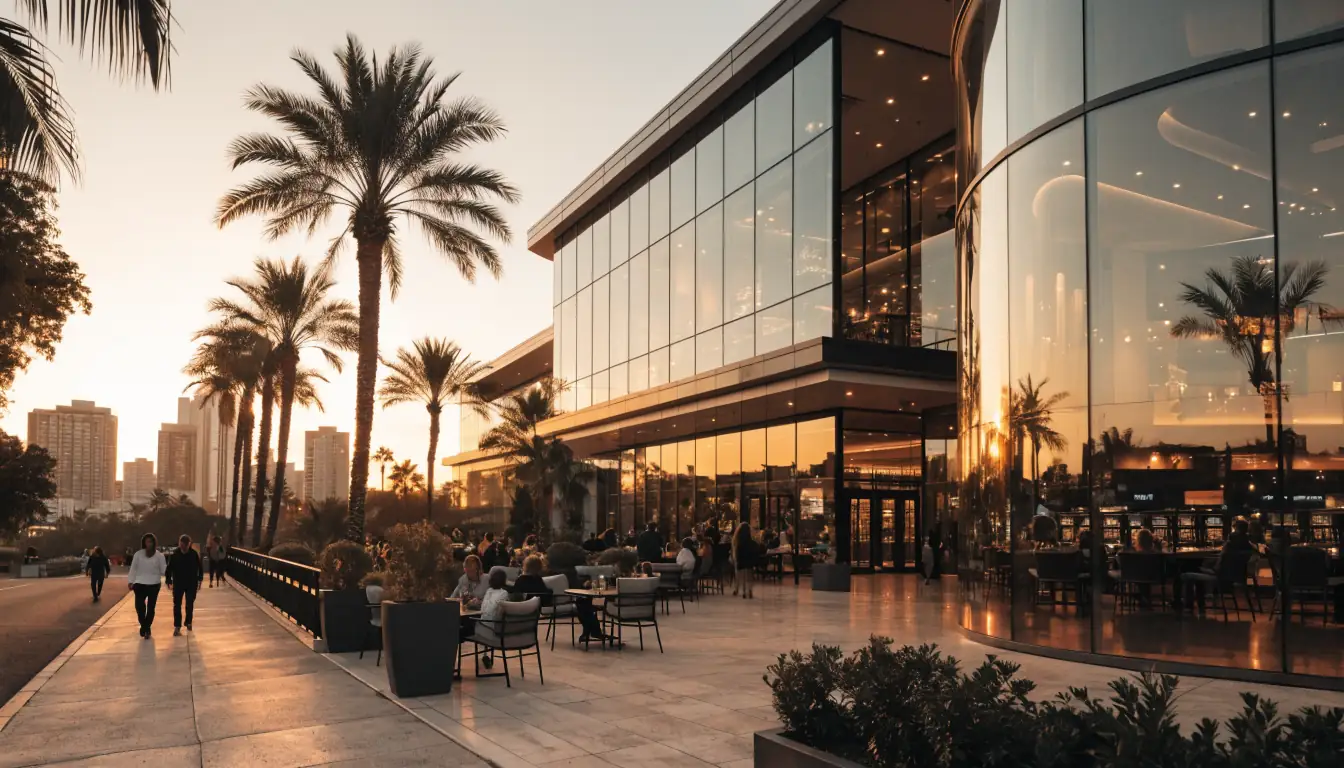
What’s worth checking before turning up hungry: buffet hours shift around public holidays and major events on the resort calendar, and a table booked for a dinner sitting won’t hold if you’re late. Restaurant-style dining inside the same resort — the sit-down rooms with table service and a fixed menu — is covered separately; the buffet is its own product with its own rhythm.
Working the floor — and everything behind it
A casino resort is a hospitality employer first, gaming operator second, in terms of headcount. Dealers and pit staff are the visible layer, but the larger share of jobs sits in food and beverage, housekeeping, front-of-house, and event services. That’s true of every major resort casino, not just Perth’s — the gaming floor needs a fraction of the staff the hotel, restaurants, and bars need combined.
Roles typically fall into a few clusters:
- Gaming operations — dealers, pit supervisors, surveillance staff. These usually require in-house training and licensing checks specific to gaming, separate from a standard hospitality hire.
- Food and beverage — buffet and restaurant service, kitchen staff, bar staff. Highest turnover, highest volume of postings, and the easiest entry point for someone without gaming-specific experience.
- Hotel operations — front desk, concierge, housekeeping. Runs on hospitality rostering rather than casino shift patterns.
- Events and entertainment — bar management for concerts, ticketing, function coordination — tied to whatever’s on the calendar that month rather than a fixed roster.
Casino resorts advertise these roles the way any large hospitality employer does — direct postings on the resort’s own site, general job boards, occasional recruitment drives around a new restaurant opening or a hotel wing coming online. There’s no separate "casino jobs" channel distinct from hospitality recruitment generally; it’s the same labour market, same seasonal hiring patterns around major events, just with a gaming licence check layered on top for floor roles.
One thing that doesn’t change regardless of role: none of this employment, and none of the food service on-site, has anything to do with online play. The buffet line and the dealer roster sit inside a licensed physical venue. Online casino games — slots, poker, blackjack, roulette — remain prohibited under federal law regardless of what’s on offer at the physical resort. Worth keeping those two things separate, because a casino’s hospitality brand and its gaming licence cover very different ground, and only one of them extends past the building.
Employment focus
Most jobs at the casino are hospitality‑based; only gaming‑floor roles need the specific gaming licence checks.
Gaming Facilities: Poker Rooms, Tournaments and the Casino Gym
A live poker room reads differently once you’ve sat on both sides of the felt. The room itself is built around sightlines and noise control — dealers need to hear the table, floor staff need to see every seat, and none of that has anything to do with the "atmosphere" the marketing copy talks about. It’s logistics dressed up as ambience.
Tournament schedules follow a rhythm shaped by buy-in tiers and staff rostering more than by player demand. What gets published as the "tournament calendar" is really a staffing plan with a poker theme. That doesn’t make the games less real — it just means the timing you see is a compromise, not a promise.
Here’s where the legal line matters and it’s worth stating plainly: none of this — poker room, tournament, gym pass — has anything to do with online play. Live poker at a licensed venue is a different animal from online casino poker, which is prohibited federally for Australian residents. Sources disagree on which act does the prohibiting — some point to the Interactive Gambling Act 1997, others to the 2001 version — and I won’t pretend to settle that for you. What’s consistent across both readings is the outcome: online casino, poker, and in-play betting are not lawfully offered to people in Australia, while sports betting online remains legal under state and territory licensing. Playing poker on-site, in person, sits entirely outside that federal restriction. It’s a live-venue activity, licensed at the state level, not an online product.

What the gym is actually for
The gym attached to the property isn’t a leisure amenity competing with the spa — it’s a retention tool. Guests staying multiple nights, especially those attending back-to-back tournament sessions, need somewhere to reset that isn’t a poker table or a hotel room. A gym keeps people on-site rather than sending them out to find one elsewhere. That’s the honest reason it exists, and it works fine for what it is: functional, not a destination in itself.
What actually varies
Room configuration, tournament frequency, and gym access all differ by property and by season, and none of that is published anywhere in a form worth quoting here. What I can say with confidence:
- Poker rooms operate as licensed, in-person venues — not connected to any online offering
- Tournament structures are set by buy-in and staffing, not by a fixed public calendar
- Gym access is typically tied to hotel stays rather than sold as a standalone pass, though exact terms vary by venue and aren’t consistently published
If you’re chasing a live tournament, call ahead. The schedule you find online is a snapshot, not a guarantee. Same goes for poker room seating during major events — availability shifts fast, and nobody advertises the waitlist.
One thing that doesn’t shift: online poker, regardless of how it’s marketed, isn’t a legal substitute for a seat at the table here. Offshore sites exist, and playing on them isn’t illegal for the individual — but that’s a different conversation from what’s covered in this section.
Wellness and Leisure: Spa Services at Perth Casino
Spend enough time on a gaming floor and the noise starts to feel like weather — you stop noticing it. That’s exactly why properties like Crown Perth build a separate wing for the spa, with its own entrance logic, lighting, and pace. Walk from the pokies floor to the treatment area and the transition is deliberate: carpet changes, sound drops, staff stop wearing the same uniforms. It’s a different business inside the same building.
The spa operates as its own department, with treatment rooms, relaxation lounges, and a day-spa package structure aimed at guests staying on-property rather than people dropping in between blackjack hands. That’s worth knowing before you plan a visit: this isn’t a walk-up massage counter next to the cashier, it’s booked in advance, priced separately, and run on hotel-guest logic even when non-guests can access it.
What the offering typically covers
- Body treatments — massage and relaxation therapies aimed at guests staying multiple nights
- Skin and facial services — treatments booked as standalone sessions or bundled with accommodation packages
- Relaxation lounges — quiet areas separate from pool and gym facilities, used before or after treatments
- Day-spa packages — bundled sessions combining several treatments, sold as a set rather than à la carte
None of this touches the gaming side of the operation, and that’s the point of keeping it structurally separate. A casino floor runs on stimulation — lights, sound, proximity to money changing hands. A spa runs on the opposite instinct. Properties that do both well don’t try to blend them; they keep one from bleeding into the other.
Dress code and access
Spa areas run their own dress code, distinct from the gaming floor’s smart-casual rules and separate again from the poker room’s more relaxed standard. Robes and slippers are standard within the spa’s own zone; guests are expected to change before re-entering public casino areas. Access is generally tied to bookings rather than walk-ins, and hotel guests are usually prioritised for scheduling.
Worth being direct about one thing: none of this has any connection to online casino products. Australians can’t access domestically licensed real-money online casino games under any circumstance — that market doesn’t legally exist here — and no spa loyalty tier or hotel package changes that. Live in-play betting online is likewise off the table, though placing a live bet by phone remains legal. The spa is a physical amenity tied to the physical property. Nothing about it extends online, and nothing online extends to it.
For anyone building a trip around relaxation rather than the tables, the spa is worth treating as its own reservation — separate booking, separate budget, separate mindset from whatever happens on the floor downstairs.
Dining at Perth Casino: Restaurants and Cuisine Options
A "world-class dining precinct" is how casino marketing usually describes this floor. What it actually means: a spread of restaurants pitched at different budgets and different reasons for being there — a quick meal before the tables, a proper dinner to mark an occasion, something fast between sessions on the pokies.
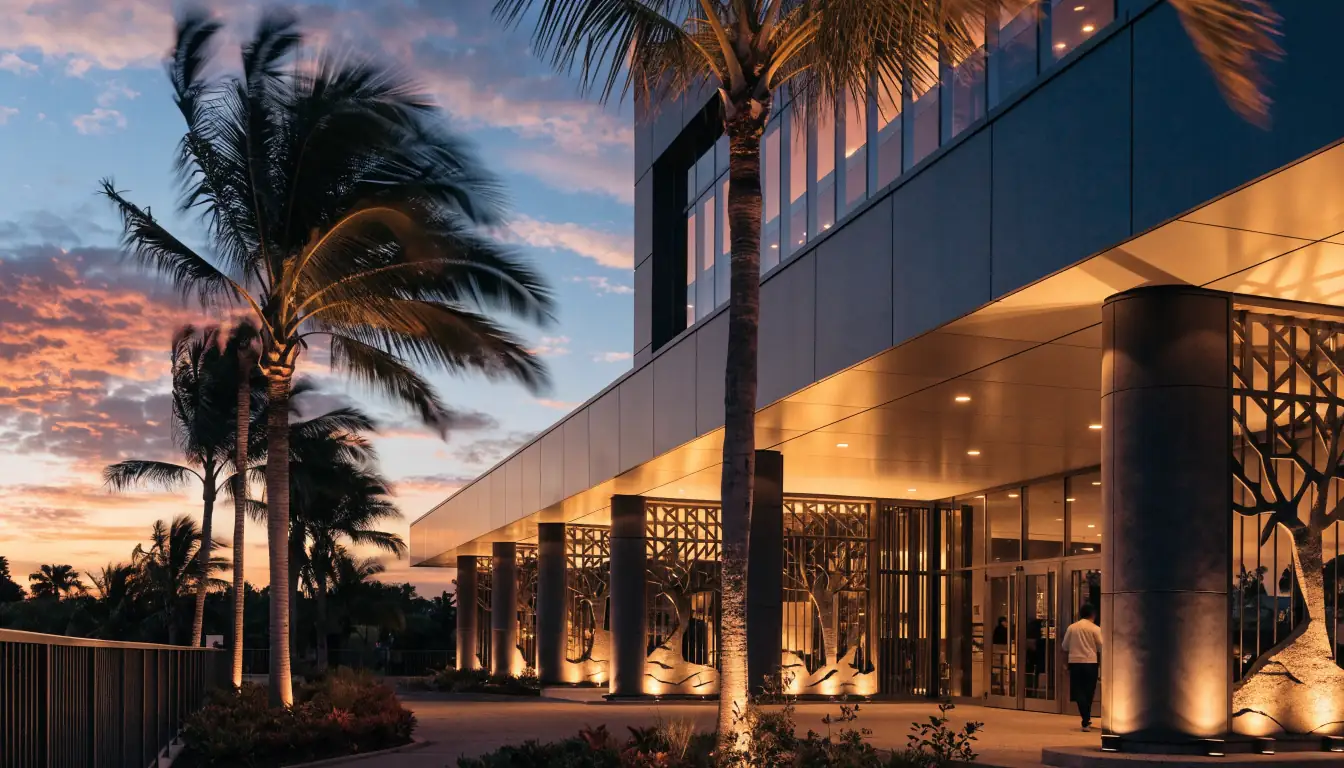
The range runs from casual counters to fine dining rooms with table service and a wine list that takes itself seriously. Asian cuisine tends to have a strong presence, reflecting the visitor base as much as anything, alongside steakhouse-style venues and an all-purpose buffet that does the heavy lifting for anyone who wants volume and choice over refinement. None of this is unique to Perth — most Australian casino floors are built the same way, because the economics of feeding people who are also gambling are the same everywhere.
What the restaurants are actually for
The obvious answer is food. The less obvious one is retention. A guest who leaves the building to eat might not come back that night. A restaurant on-site closes that gap. It’s not cynical, just structural — the same reason airports charge what they do for a sandwich near the gate. You’re not just paying for the meal, you’re paying to stay.
That’s worth knowing going in, because it explains pricing that can feel high compared to a similar meal a short drive away. Convenience carries a premium here, same as it does anywhere captive audiences exist.
Matching the venue to the visit
- Fast and casual — best for guests planning a longer session at the tables or on the machines, who want food without stepping away for long.
- Mid-range dining — sit-down service without the full formal experience, suited to a break between activities.
- Fine dining — reserved for a proper night out, usually booked ahead rather than walked into.
- Buffet-style options — geared toward groups or anyone prioritising variety over a curated menu.
None of these choices affect gambling odds or outcomes — worth stating plainly, since some visitors assume a "VIP" dinner reservation buys favour elsewhere on the floor. It doesn’t. Kitchen and gaming floor are entirely separate operations, and no restaurant booking changes anything about how a game pays out.
The bigger picture
Australians collectively spent $244.3 billion on gambling bets in 2022–23, losing $31.5 billion of it — food and drink spend sits on top of that, not inside it. Per-capita betting reached AUD 9,885 in FY 2020–21, with average losses of AUD 1,200. Dining is a small slice of what a casino visit actually costs, but it’s the slice designed to be enjoyable enough that the rest doesn’t feel like the main event.
Membership, Loyalty Programs and Poker Access
Signing up for a loyalty card at Perth’s land-based casino is straightforward: government-issued ID, proof you’re 18 or older, and a few minutes at the membership desk. That age check isn’t a formality the property invented — it’s the baseline for accessing any casino offer in Australia, and staff apply it consistently at the door and at the tables.
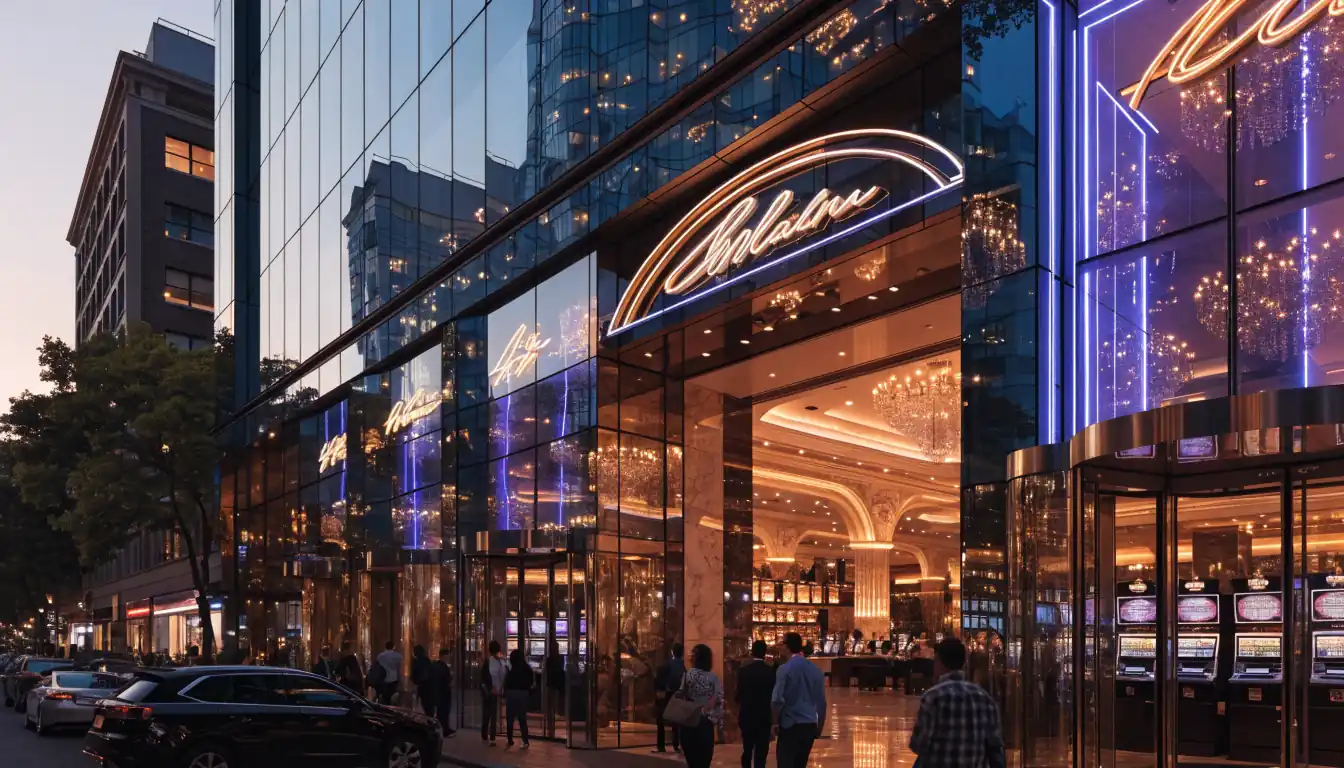
The "membership" itself is really a tracking mechanism dressed up as a perk. Swipe the card while playing pokies or at the tables, and the system logs turnover, which then feeds into tiered rewards — comped meals, room offers, invitations to events. None of that is charity. It’s the casino’s way of identifying who spends the most time on the floor and making sure that group keeps coming back.
Poker access works on a separate logic from general membership. Cash games and listed tournaments typically require registration ahead of a session, partly for seating and partly because rooms fill on a schedule tied to tournament structure elsewhere on this page. A loyalty card speeds up buy-ins and can unlock invitational events, but it doesn’t replace the age verification step — that check happens every time, card or no card.
For context on how deposits and cashouts actually perform, our own reviewers put real money on the line rather than relying on marketing copy: at least A$300 into each account under review, followed by an attempt to withdraw it. That’s the same standard we’d want applied to any "membership benefits" claim — does the reward show up when you ask for it, or just when the casino wants you to keep playing.
Worth saying plainly: none of this is about online accounts. Membership and loyalty schemes described here apply to the physical property, not to any real-money online casino product — offshore or otherwise.